Outlook for Ireland | Northern Ireland’s forecast | A growing case for digital planning | Architectural CGI
As 2025 draws to a close, the CIS Construction Industry Forecast 2025–2027 provides a look at what the next phase of growth could mean for the Republic of Ireland and Northern Ireland.
While the report suggests 2025 will finish as a softer year, especially for residential and industrial activity, it points to a stronger recovery from 2026 onward. In this short article, we highlight key takeaways from the forecast and share our perspective on what they mean for the wider industry and for visualisation and daylight and sunlight, particularly as these tools continue to support planning, design, and decision-making.
Outlook for Ireland
CIS’s report expects the overall project start value for schemes under €100m to finish 2025 broadly stable, before accelerating in 2026 and 2027.
The report highlights a short-term residential slowdown after the exceptional 2024 increase in commencements, when 138,120 housing units were started. This spike was driven by temporary waivers on water connection charges and council levies, available on the condition that works are completed by the end of 2026. As a result, many developers moved quickly to commence projects ahead of that deadline, pulling forward activity that would otherwise have been spread over a longer period. CIS notes that this front-loaded surge has contributed to an inevitable correction in 2025, with delivery also affected by ongoing water and energy infrastructure constraints.
Residential starts value is forecast to move from €7.2bn in 2025 to €7.9bn in 2026 and €8.3bn in 2027, representing +10% then +5% growth.
Civil engineering is expected to remain a major growth engine, rising by about 20% in both 2026 and 2027, supported by strong state-backed capital investment.
Northern Ireland’s forecast
Northern Ireland appears to be following a delayed cycle. The CIS forecast indicates that the total project starts value is likely to end 2025 lower, before stabilising in 2026 and strengthening in 2027. Residential trends reflect this pattern. Private housing is expected to rise from £434m in 2025 to £505m in 2026 and £715m in 2027, while social housing remains more constrained in the near term, with only modest growth projected after 2025.
A growing case for digital planning
The outlook for 2026 and 2027 suggests stronger momentum across both the Republic of Ireland and Northern Ireland after a softer 2025. This reinforces the importance of digital solutions in how projects are designed and progressed, particularly at the planning stage.
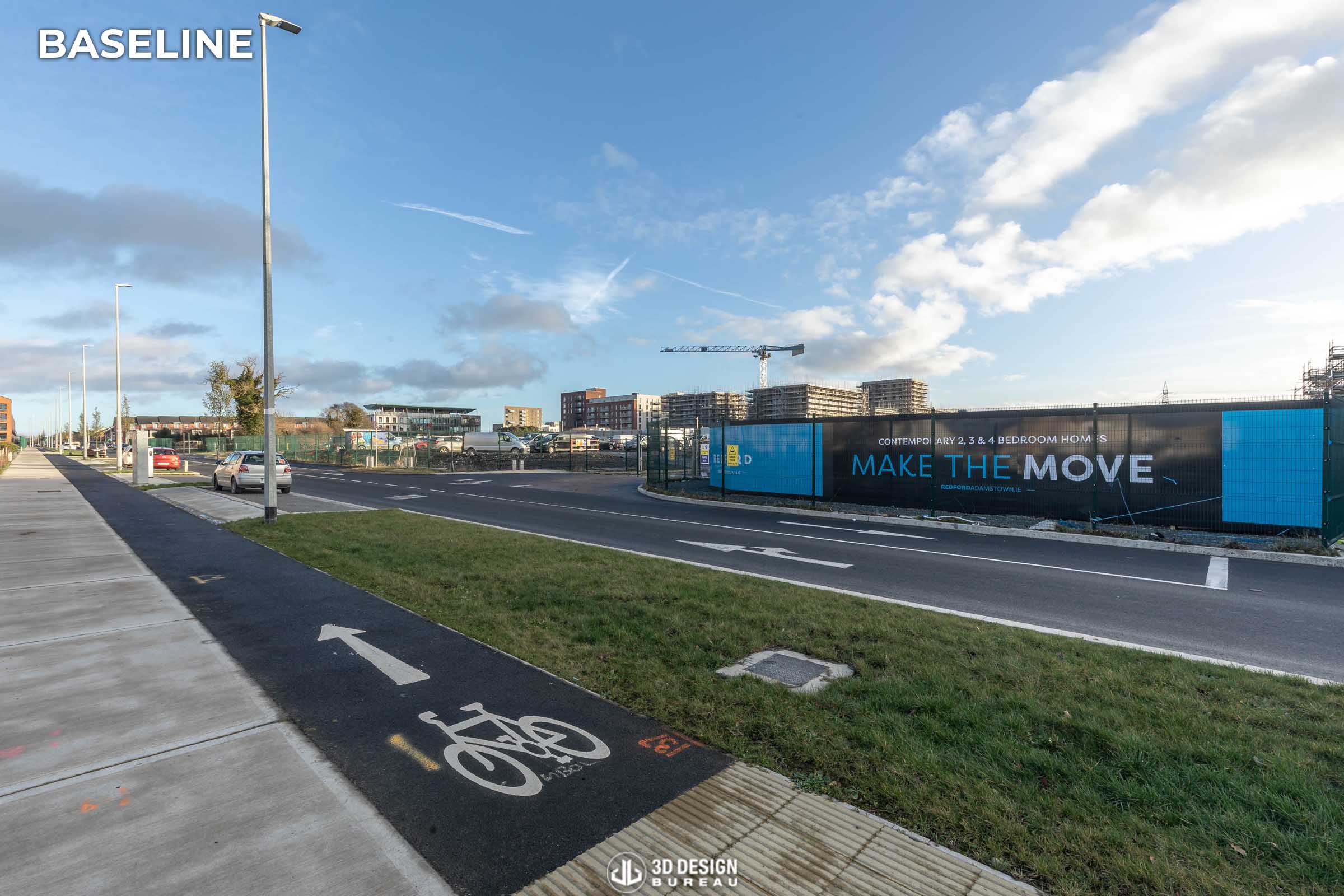
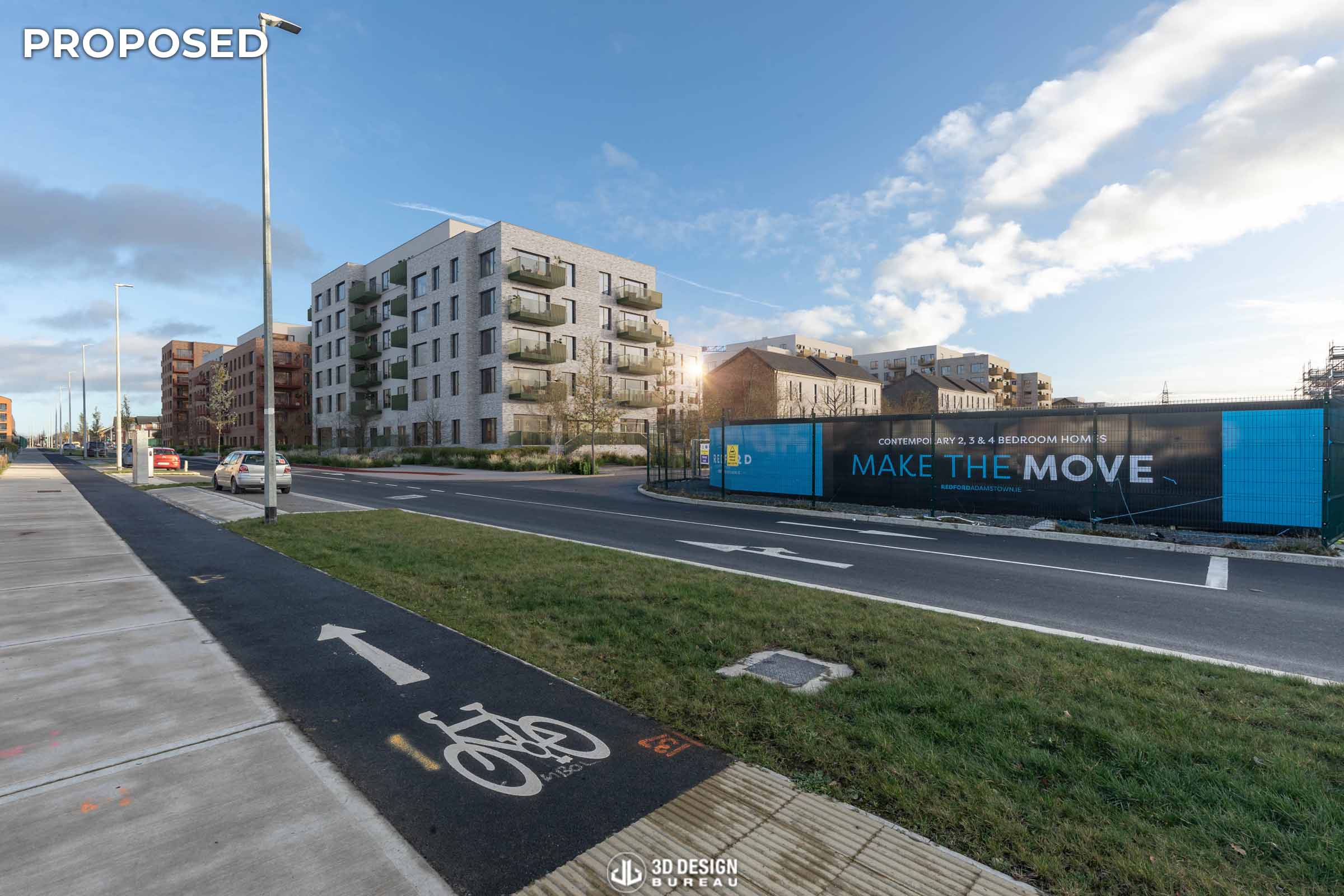
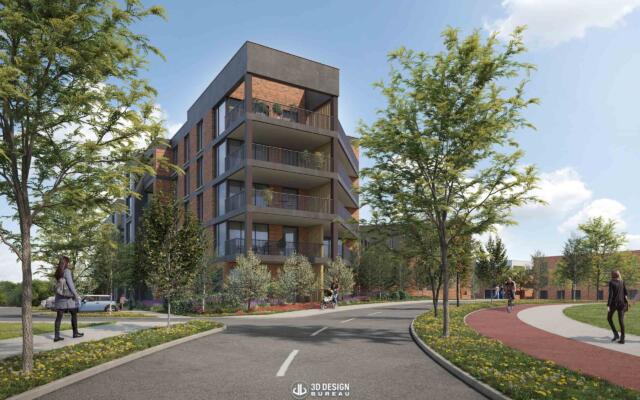
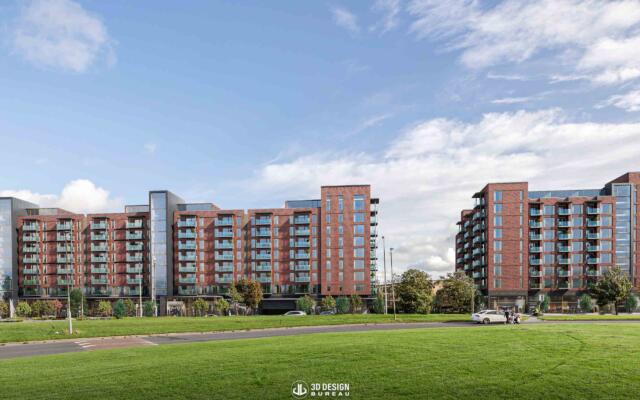
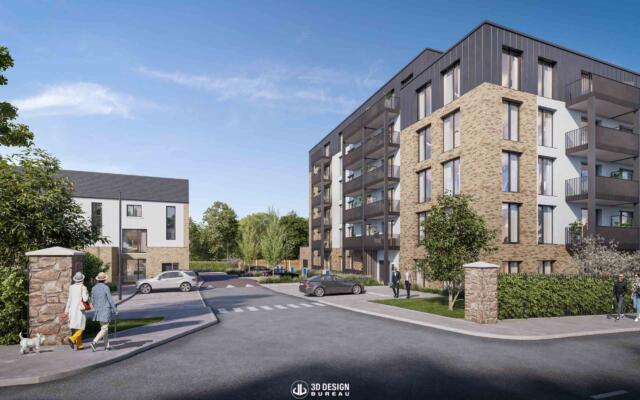
For project teams, this is where visualisation and daylight and sunlight assessments continue to add value. High-quality CGIs, verified view montages, and robust daylight and sunlight reporting bring greater clarity to planning submissions, help communicate complex proposals to local authorities, and reduce uncertainty at planning, while also supporting better design decisions.
Architectural CGI
Digital tools can help sustain and strengthen this recovery. A study commissioned by Nottingham City Council last year reflects this impact, suggesting that for every £1 spent on 3D modelling, councils can see up to £2 in returns through town planning benefits. The study also highlights how 3D modelling can improve the quality of discussions between planning officers, applicants and committees, helping to streamline decision-making for major proposals.
We will keep a close eye on these trends and share updates as new insights develop across 2026 and 2027.
Author:
Lucas Imbimbo
Digital Marketing Specialist
at 3D Design Bureau
lucas@3ddesignbureau.com