What is changing with the new area-based plans | Why do LAPs and area-based plans matter | Local Area Plans in Dublin
Ireland’s planning framework is moving from Local Area Plans towards new area-based plans, but the core idea remains the same: translating higher-level policy into clear, place-specific guidance for a defined area. That guidance typically covers issues such as land use, density, height and built form, movement, and the public realm.
For project teams, these plans matter because they help define what a planning authority is likely to support, and what evidence may be needed to justify a proposal, before a design direction is fully committed. That becomes especially important where height, context, daylight and sunlight, or visual impact are likely to be closely assessed.
This article is intended as a companion to our Strategic Development Zone overview. While area-based plans and Local Area Plans are not the same as SDZs, they can be just as influential in shaping what appropriate development looks like in a particular location. Here, we look at how the system is changing from LAPs to area-based plans, why that matters, and what project teams need to know.
What is changing with the new area-based plans
Ireland’s local planning framework is already changing. Under the Planning and Development Act 2024, Local Area Plans are being replaced by a new family of area-based plans, with the relevant provisions having come into effect in December 2025. The old LAP model provided the detailed local layer beneath city and county development plans. The new system keeps that local layer but splits it into three more targeted plan types:
– Urban Area Plans: For regional growth centres and key towns identified in the Regional Spatial and Economic Strategy.
– Priority Area Plans: For parts of towns or cities with potential for major housing or other development.
– Coordinated Area Plans: Jointly prepared by two or more local authorities.
For project teams, the main point is that this is a transition rather than a clean break. Existing LAPs can remain in force for a limited period and may, in some cases, be extended or amended, so many sites are still being shaped by live LAP policy today. In practice, that means teams need to understand both what applies to a site now and what may replace it next. Dublin is a good example of this, with Dublin City Council continuing to maintain LAP information for specific areas while the wider framework changes.
Why do LAPs and area-based plans matter?
For project teams, both Local Area Plans and area-based plans matter because they provide an early indication of what may or may not be supported in a given area. Before a scheme is fully developed, they can already signal a local authority’s priorities, the intended direction of growth, and the types of design issues that are likely to come under scrutiny. That makes them valuable at the feasibility stage, not just at the planning submission stage.
They also shape how proposals are presented. Where a plan is focused on regeneration, renewal, movement or placemaking, design teams often need to show clearly how a scheme responds to that local context. This is where strong planning visuals and technical evidence become especially important, helping communicate scale, massing, townscape fit and overall design intent in a way that is easier for decision-makers and stakeholders to assess. That kind of early clarity can also reduce risk by helping teams test whether a proposal is aligned with the policy direction for the area before more detailed work is progressed.
Local Area Plans in Dublin
At the time of writing, Dublin’s public planning pages still point readers towards Local Area Plans and masterplans. That is understandable given how recent the legislative change is, and it means the local planning picture in Dublin is still, for now, most clearly understood through the existing LAP framework.
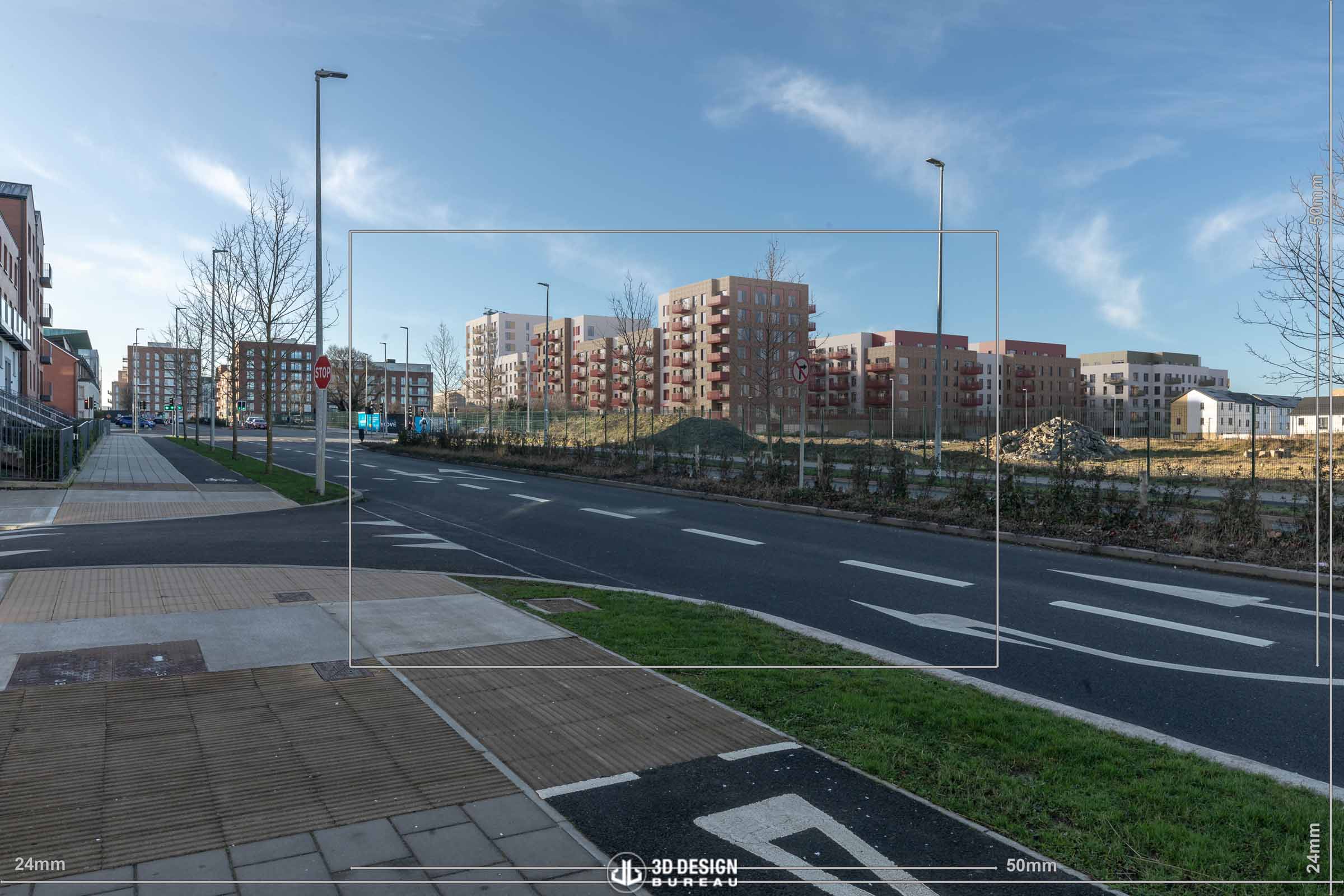
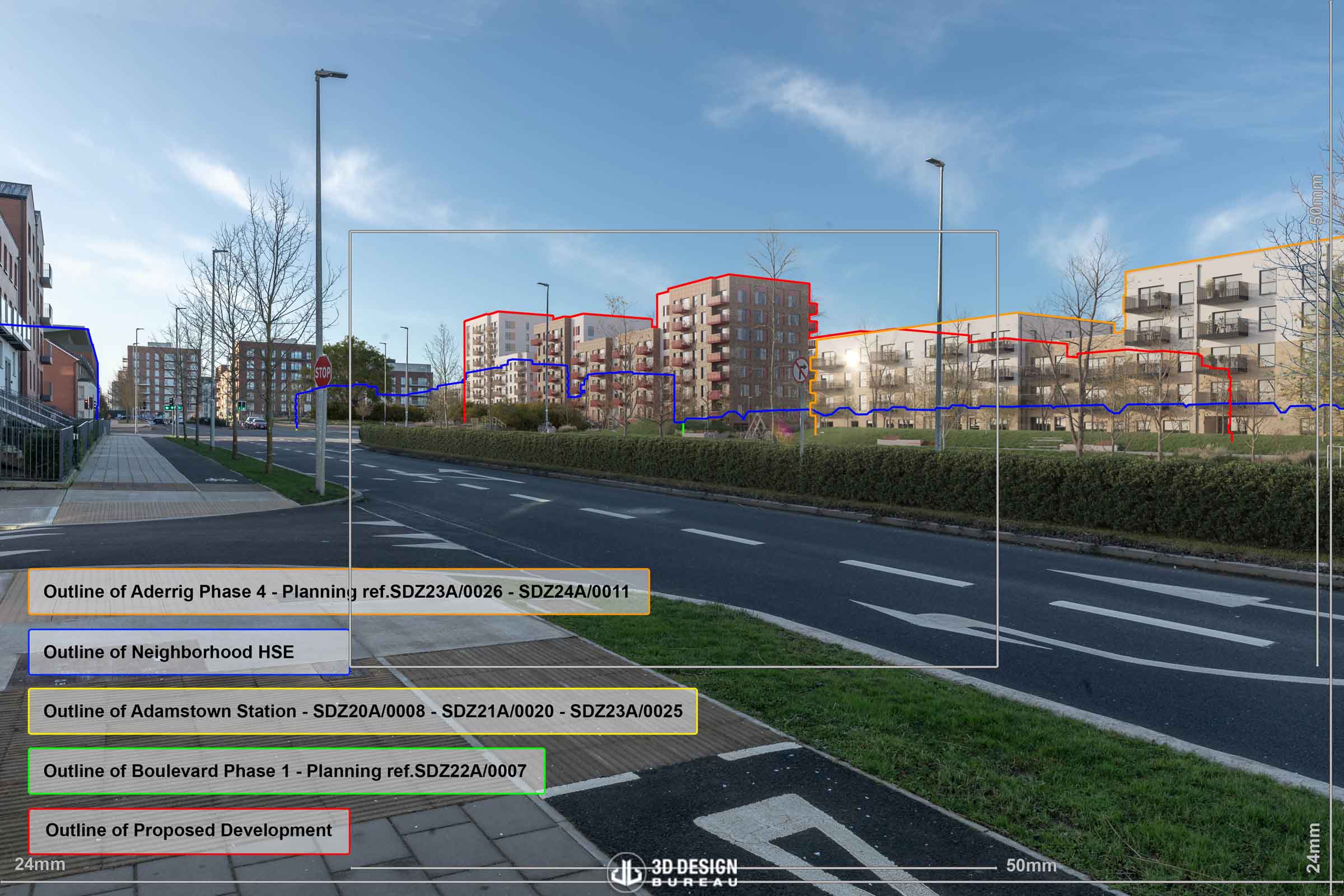
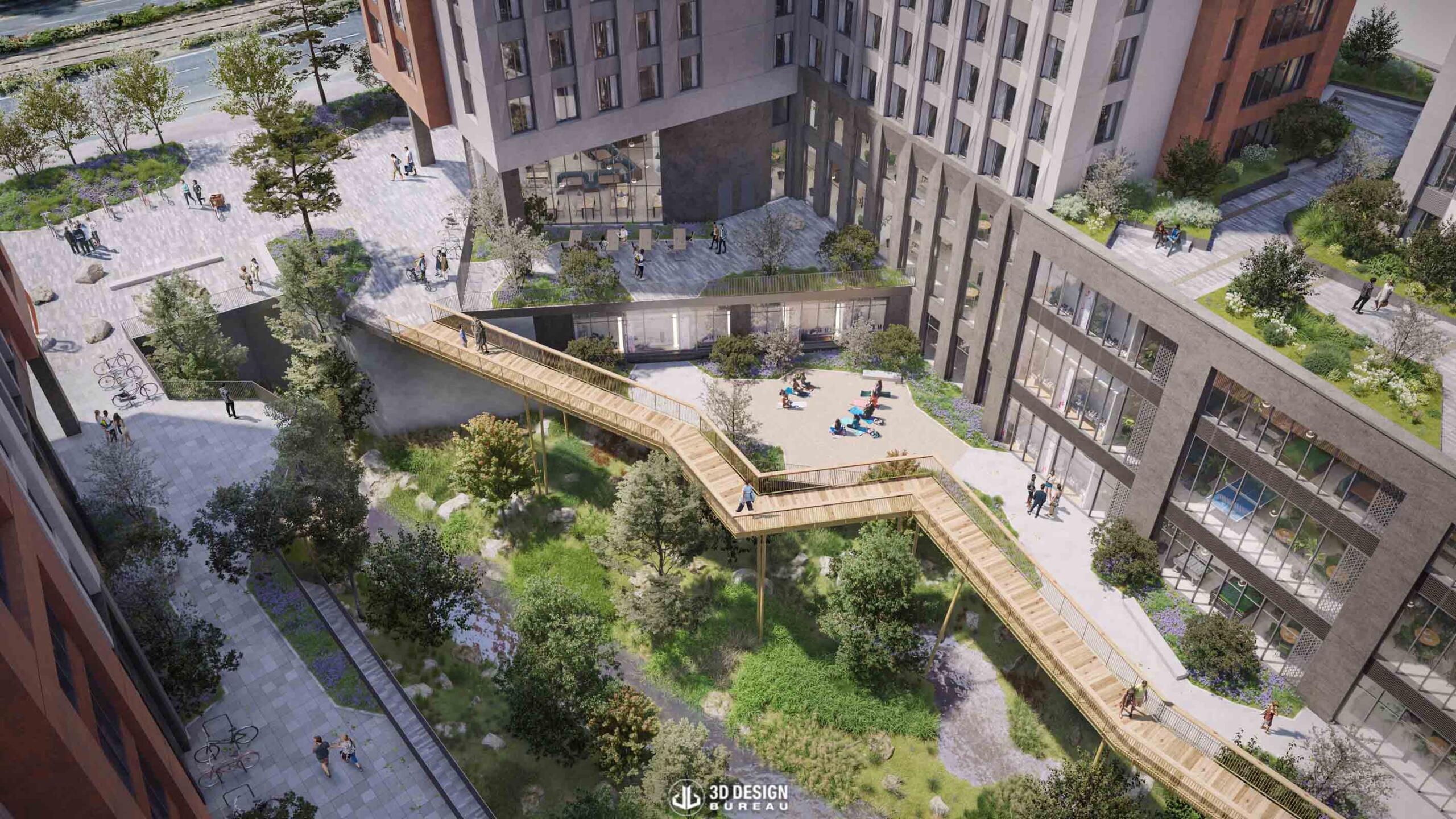
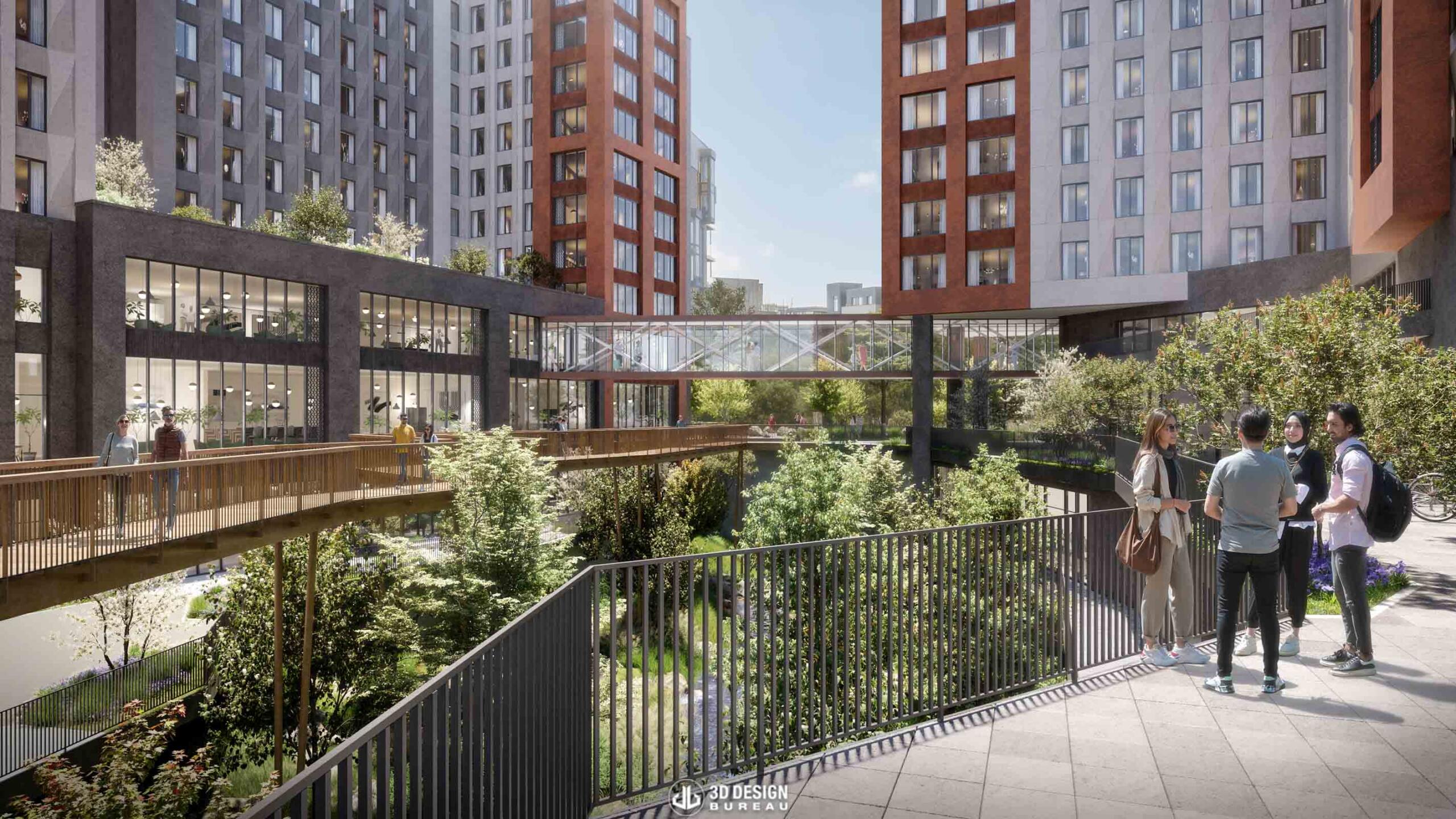
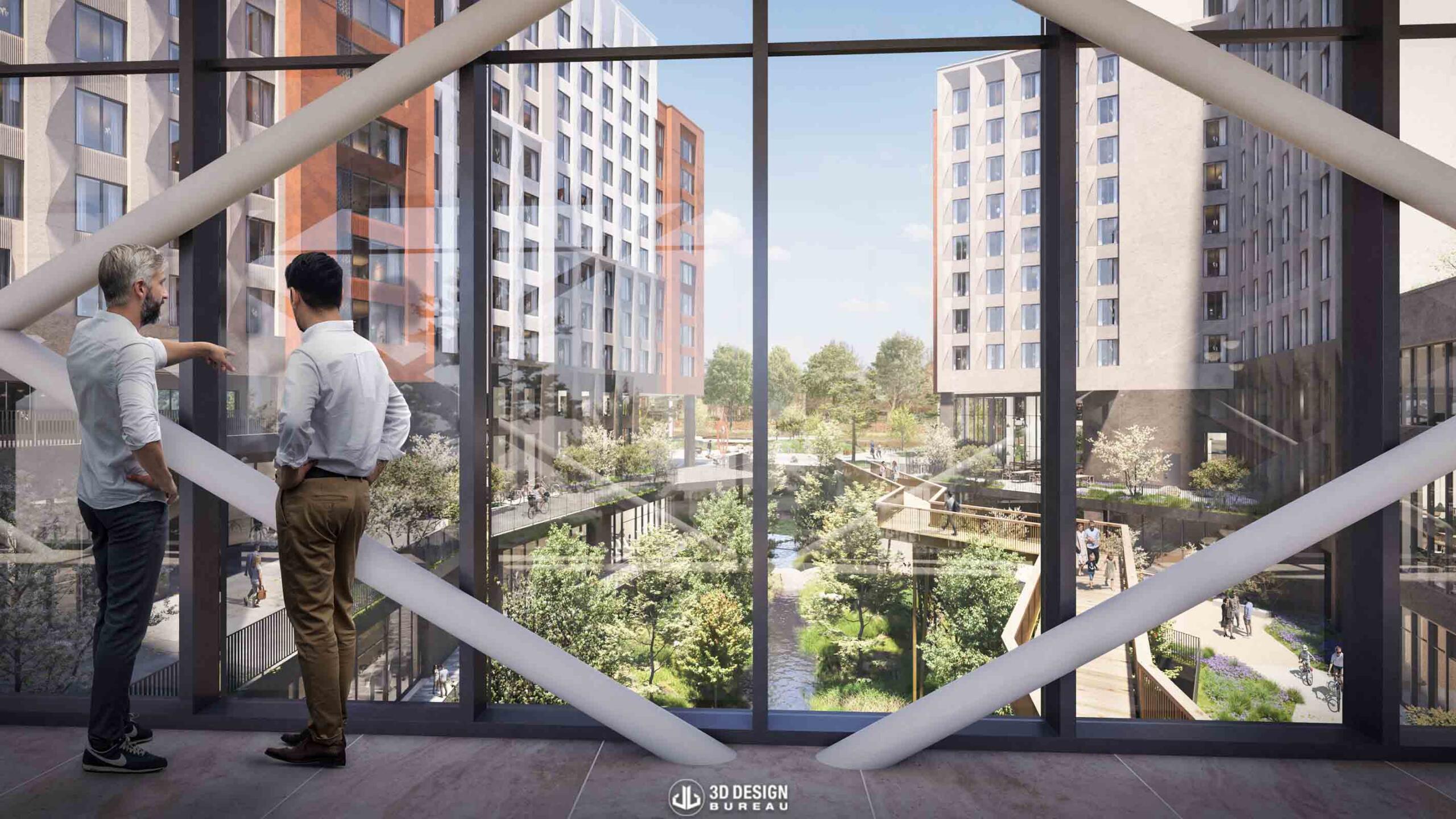
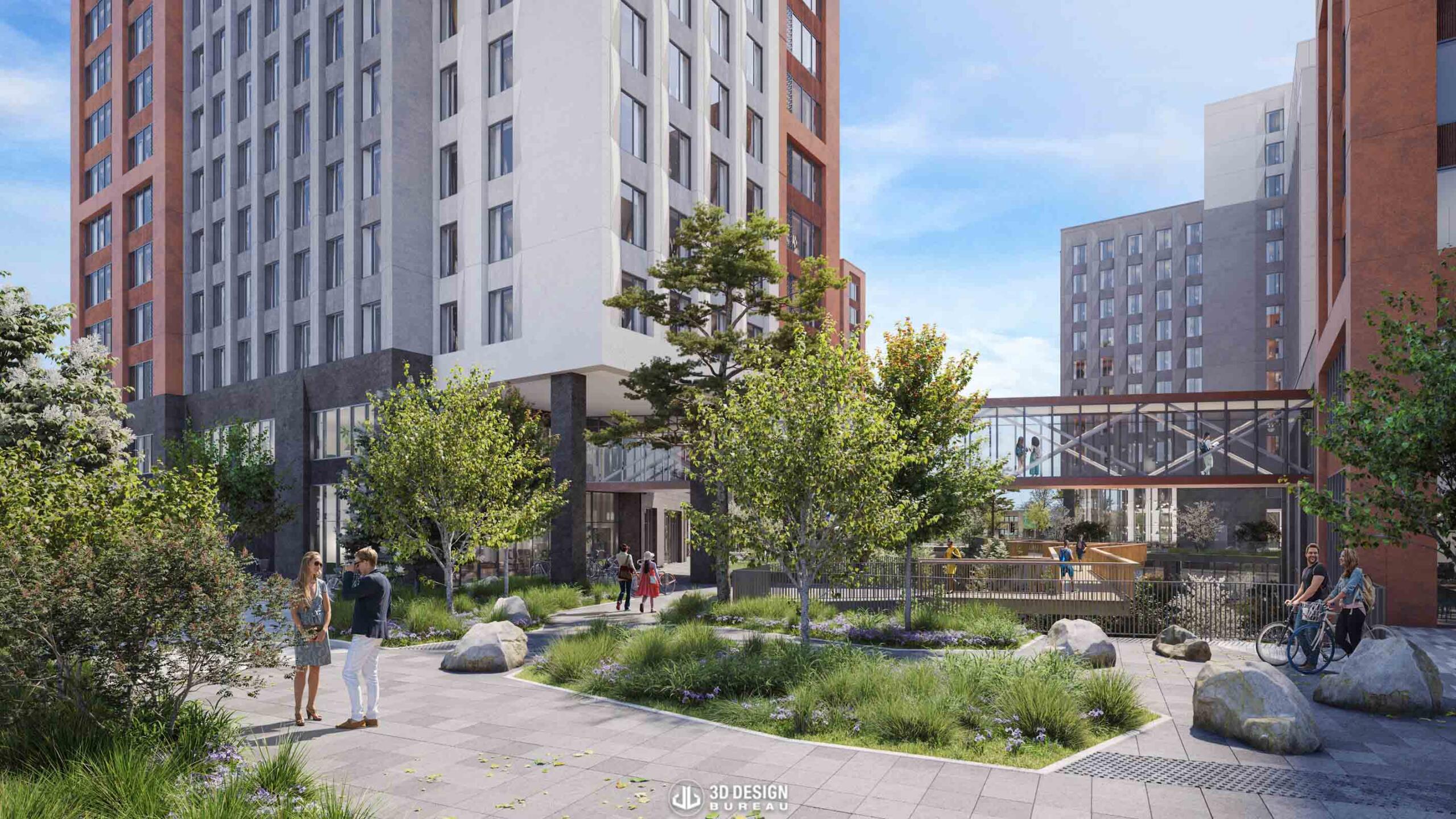
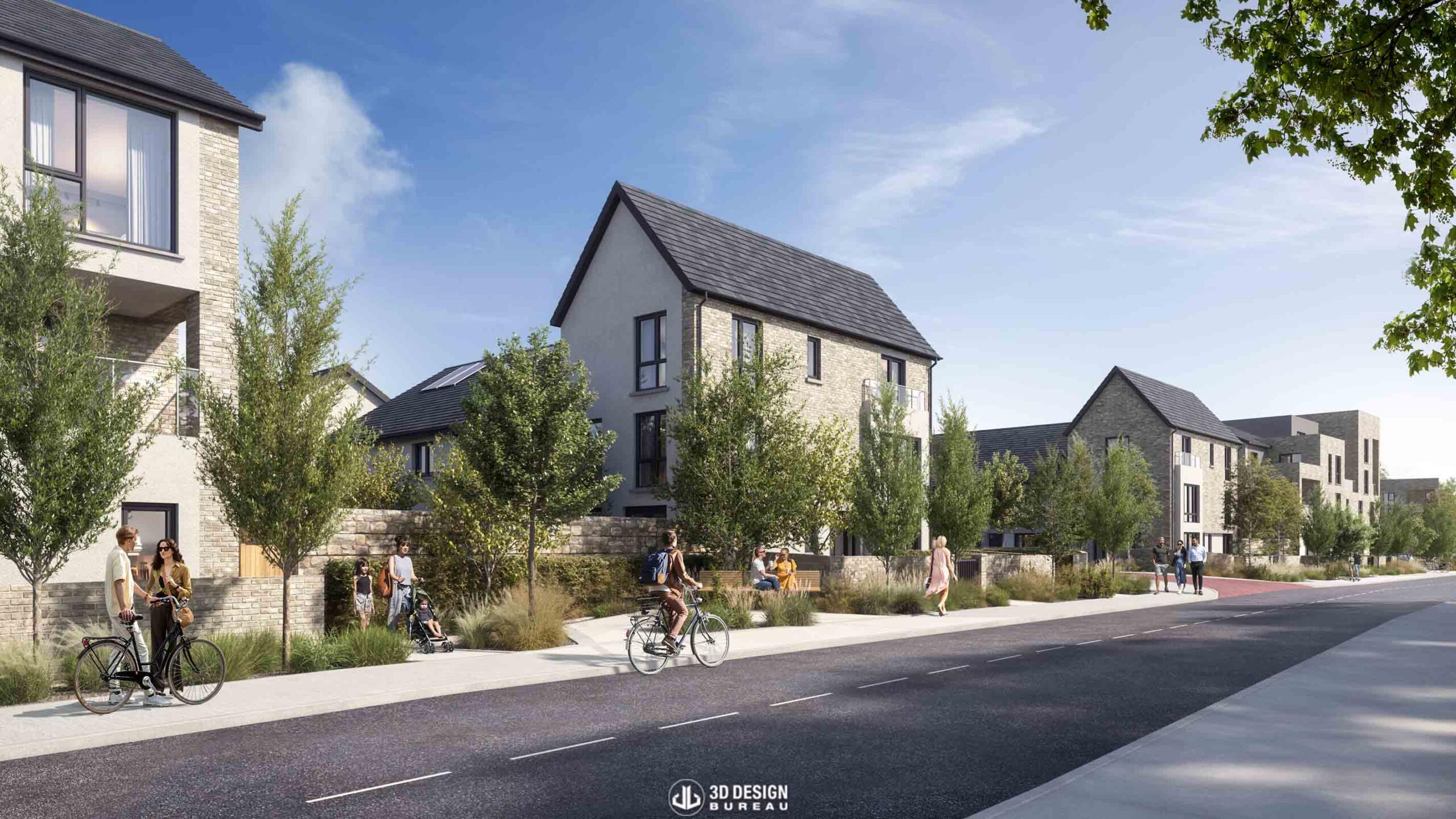
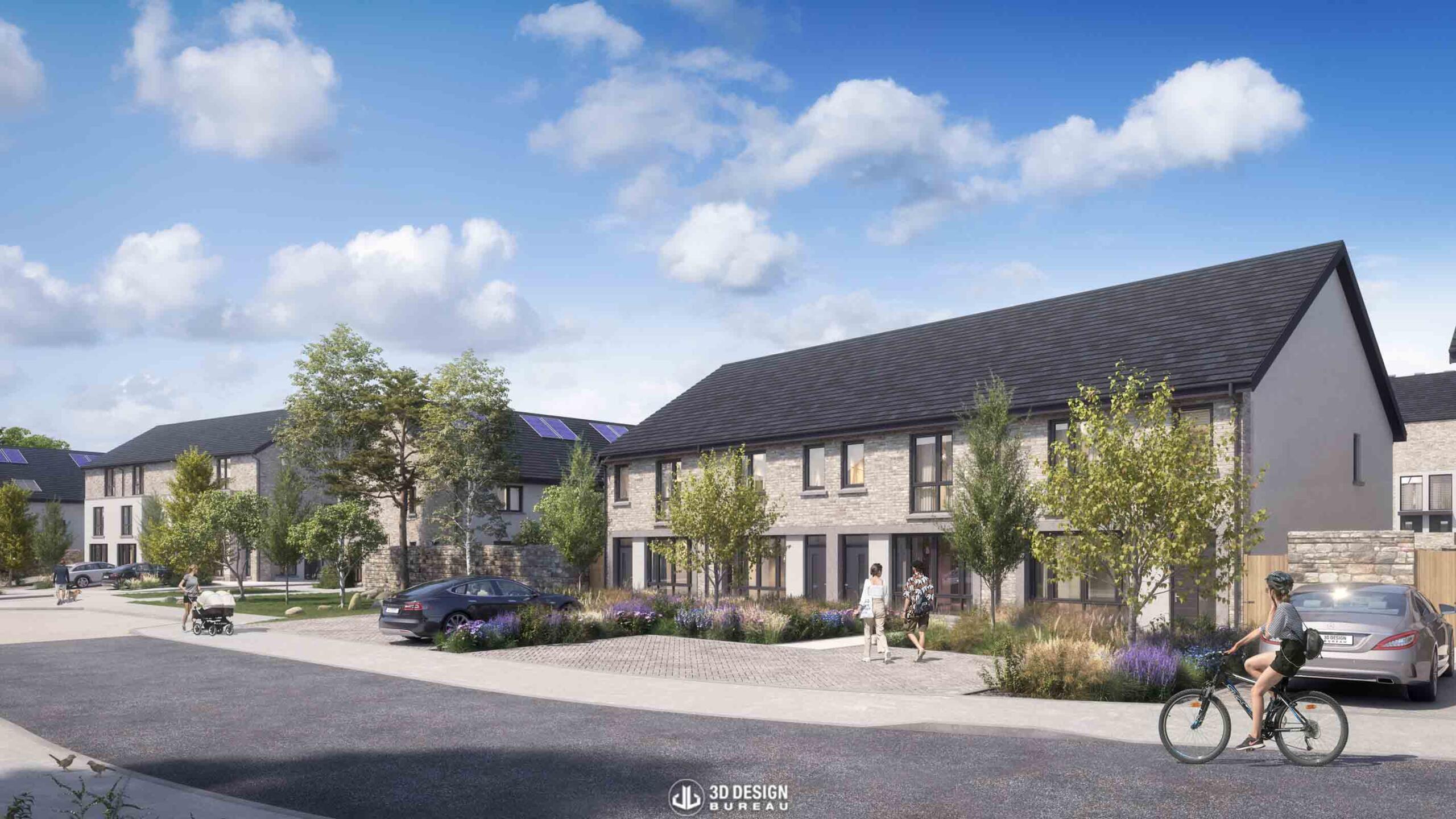
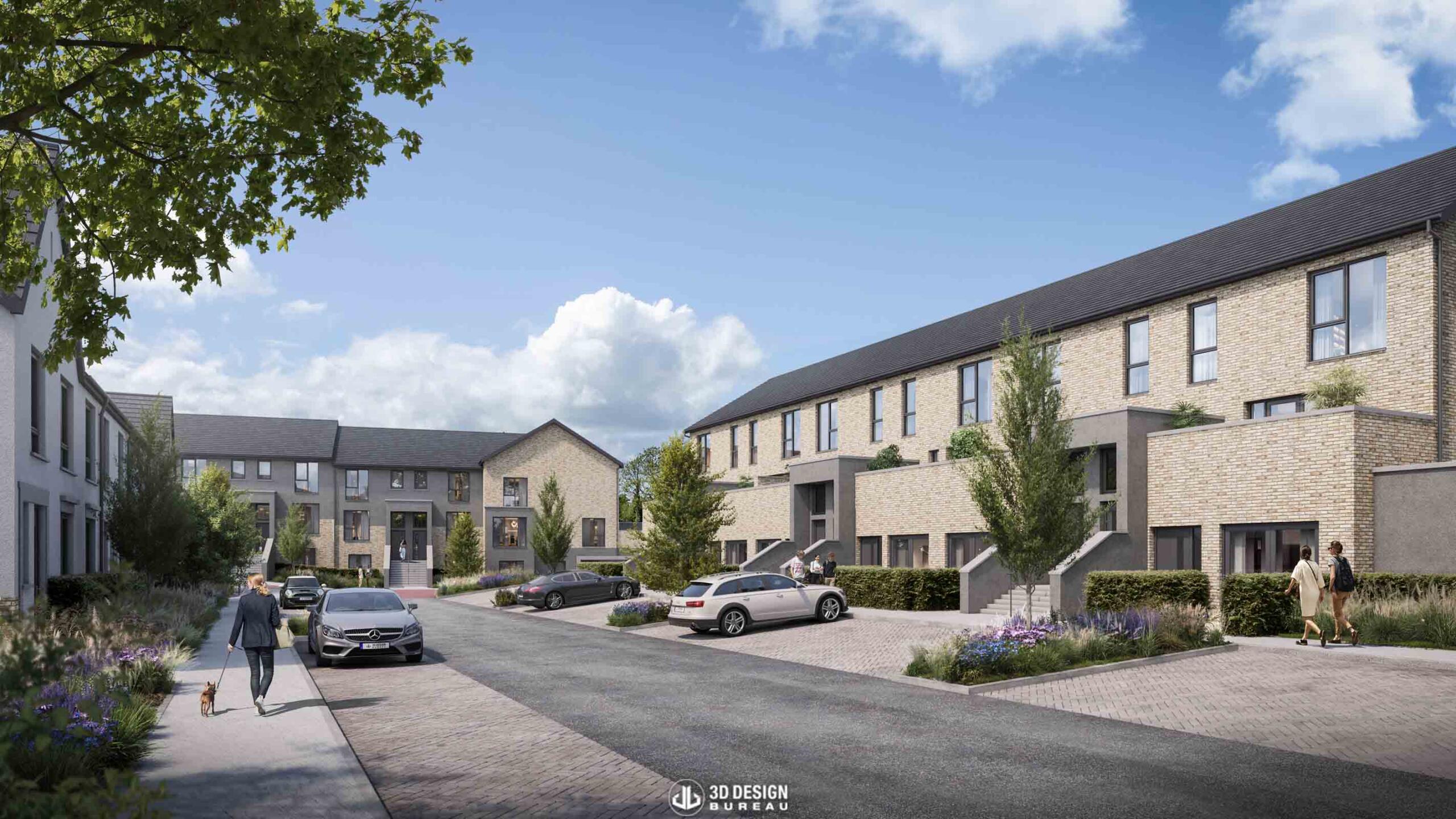
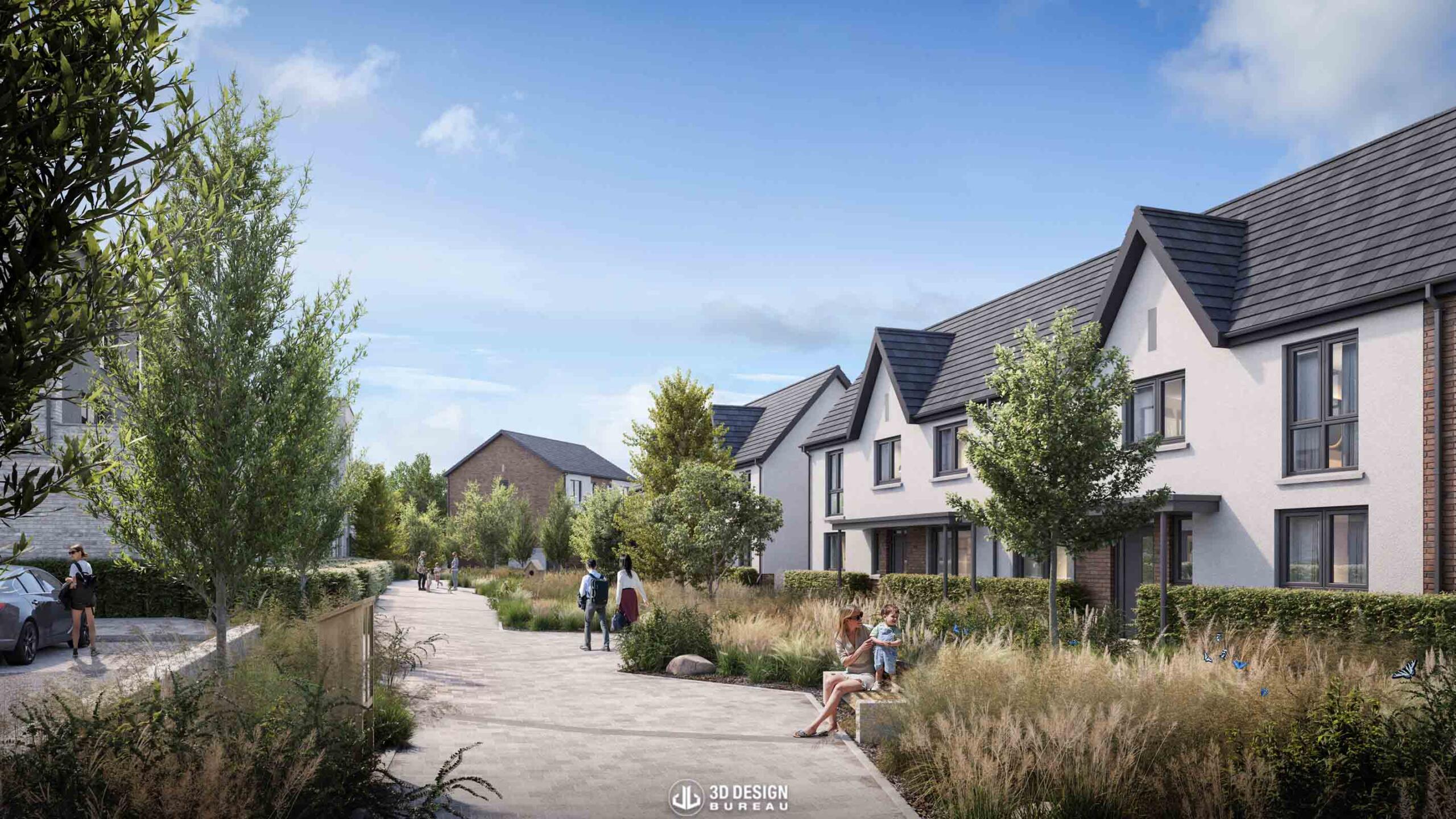
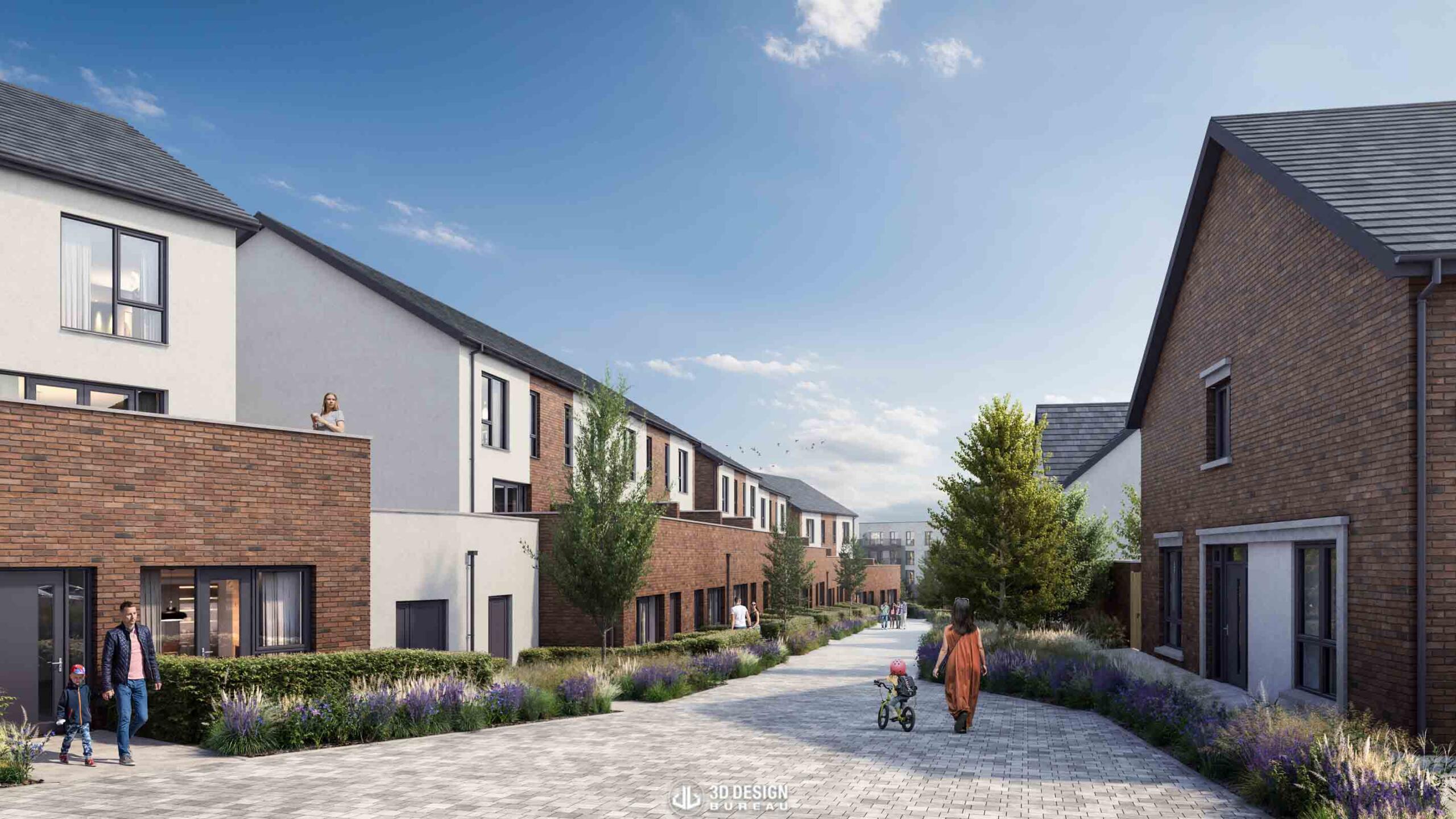
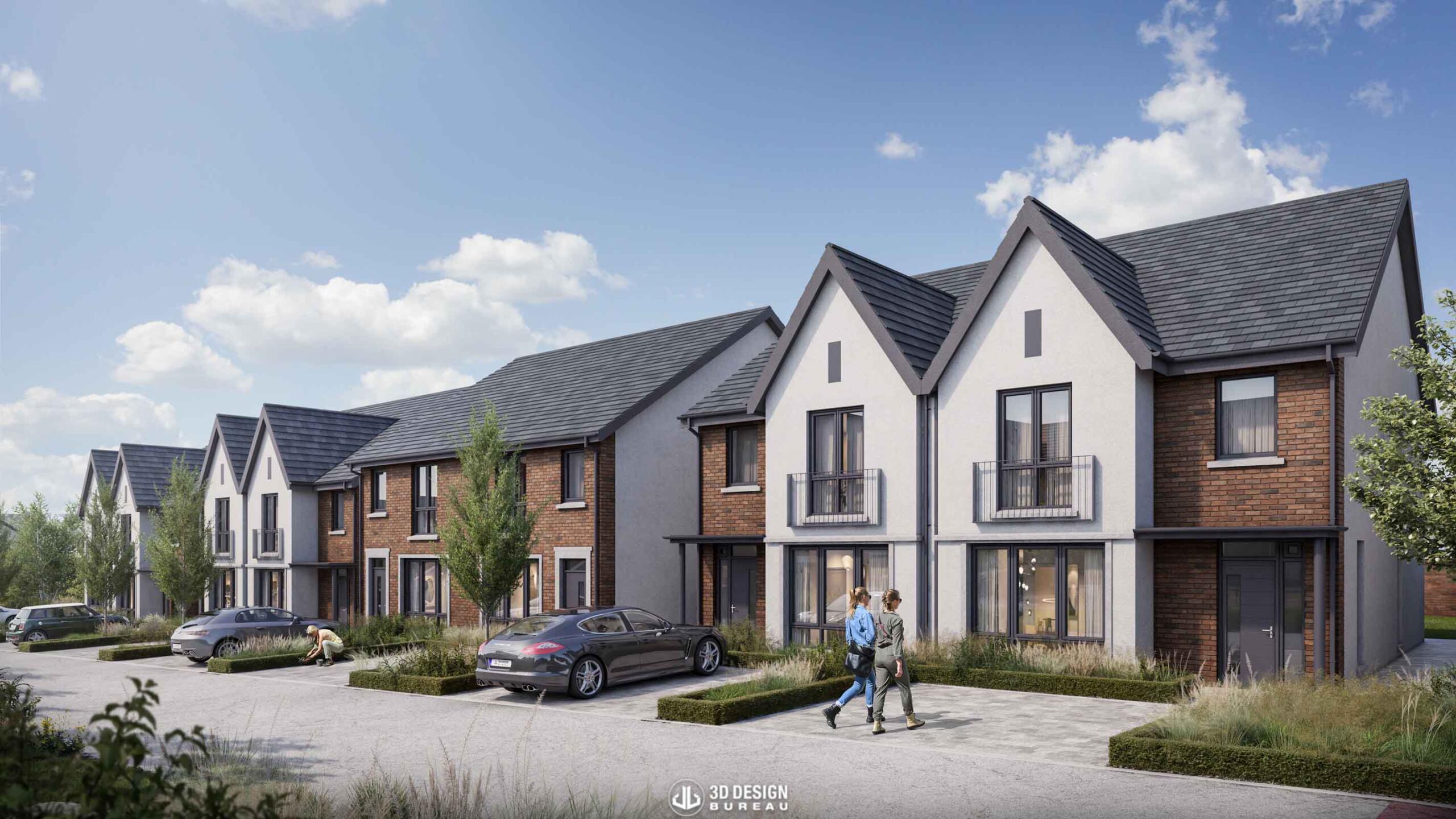
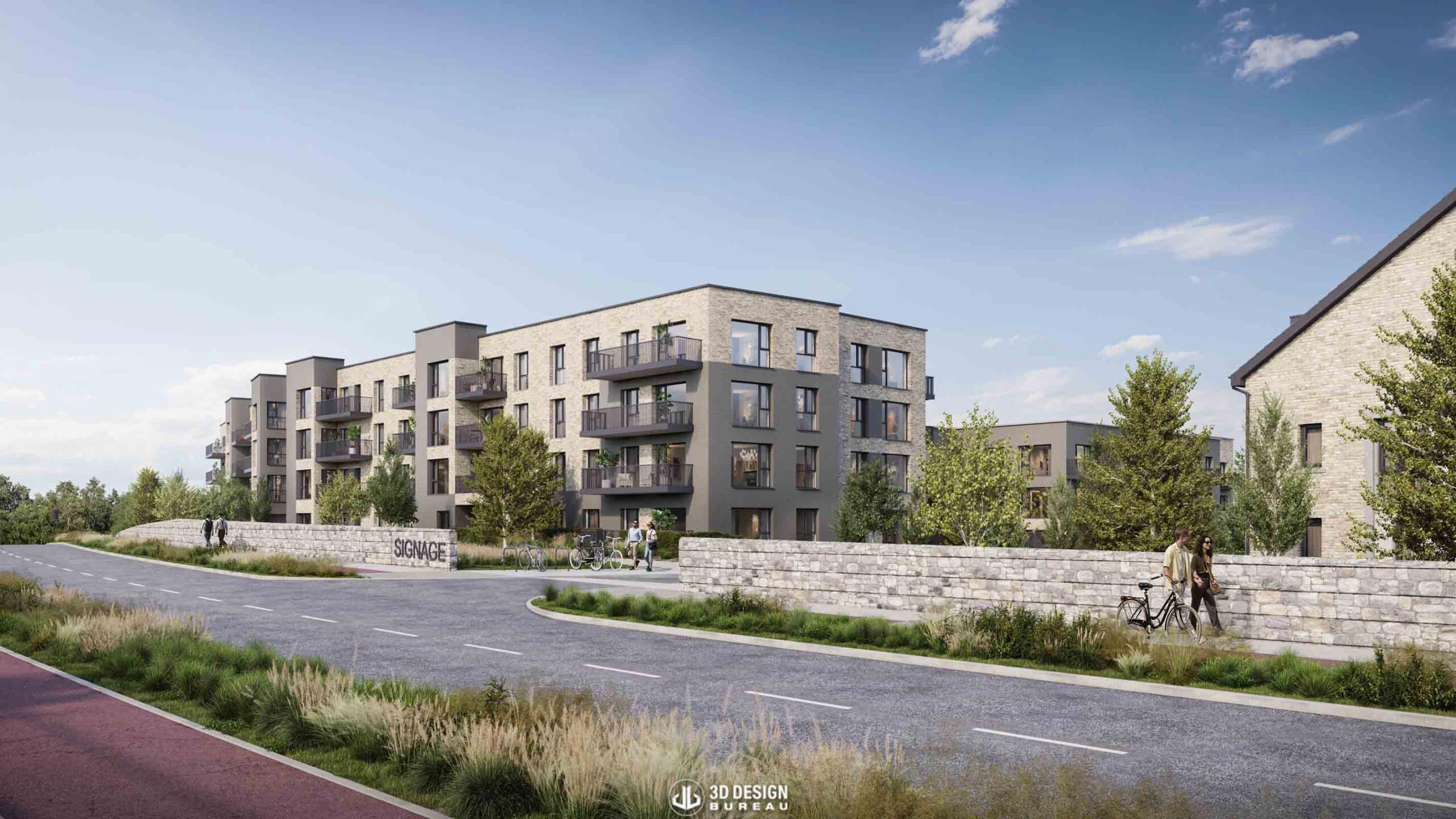
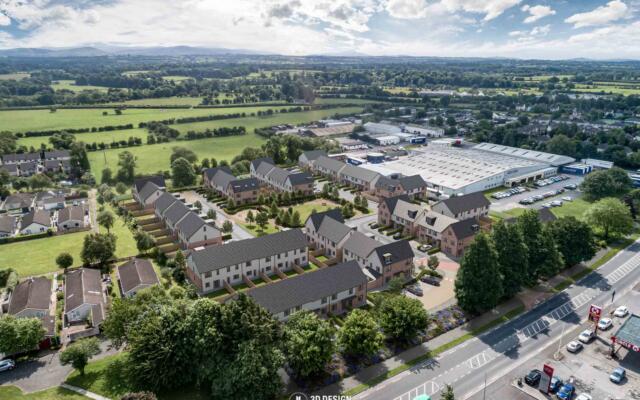
3D Design Bureau has worked on schemes across several Local Area Plans, including Gowan House on Naas Road, Dublin 12, where we delivered verified view montages, daylight and sunlight analysis, and later a wider suite of planning and marketing visuals for the student accommodation scheme.
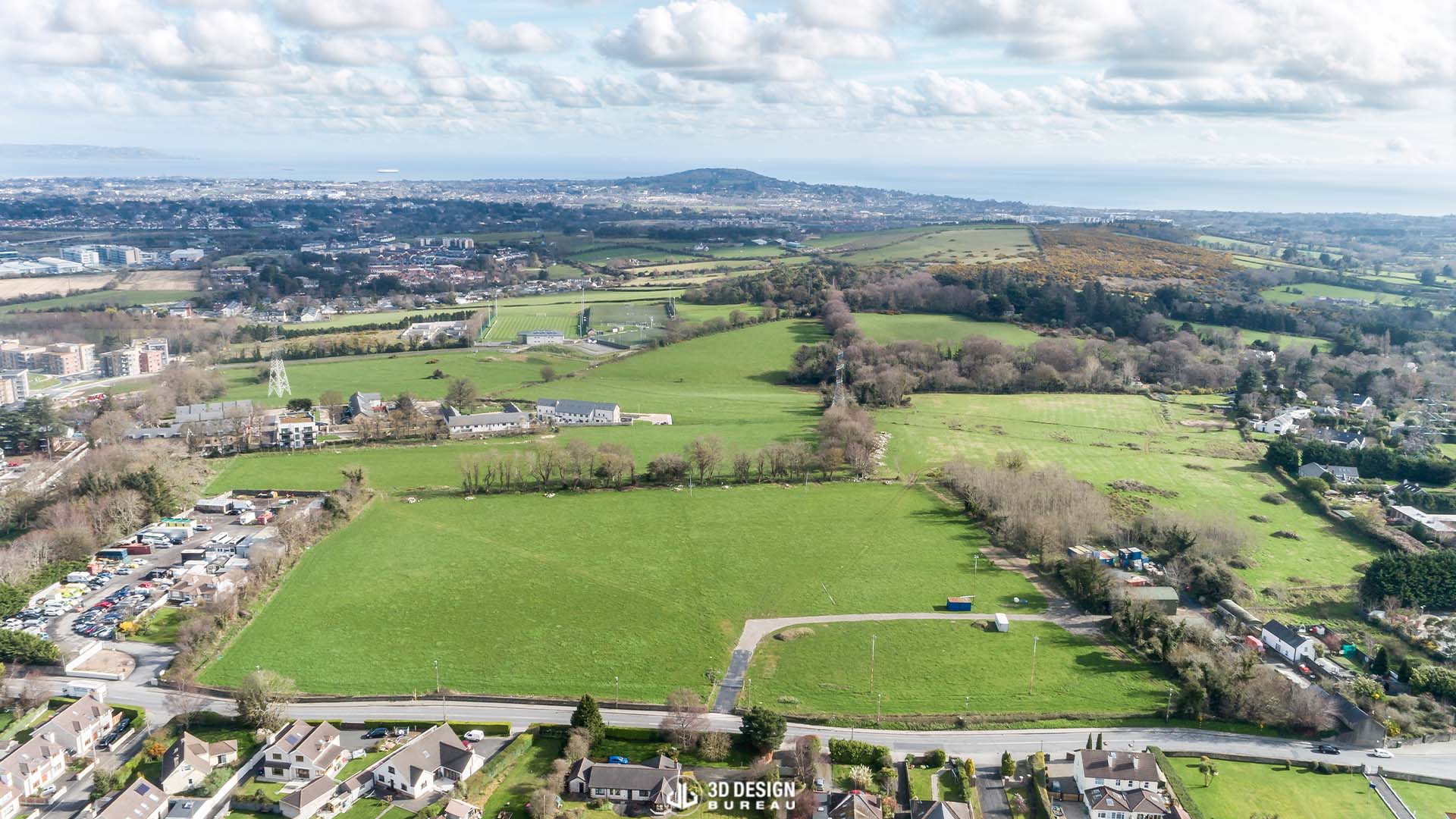
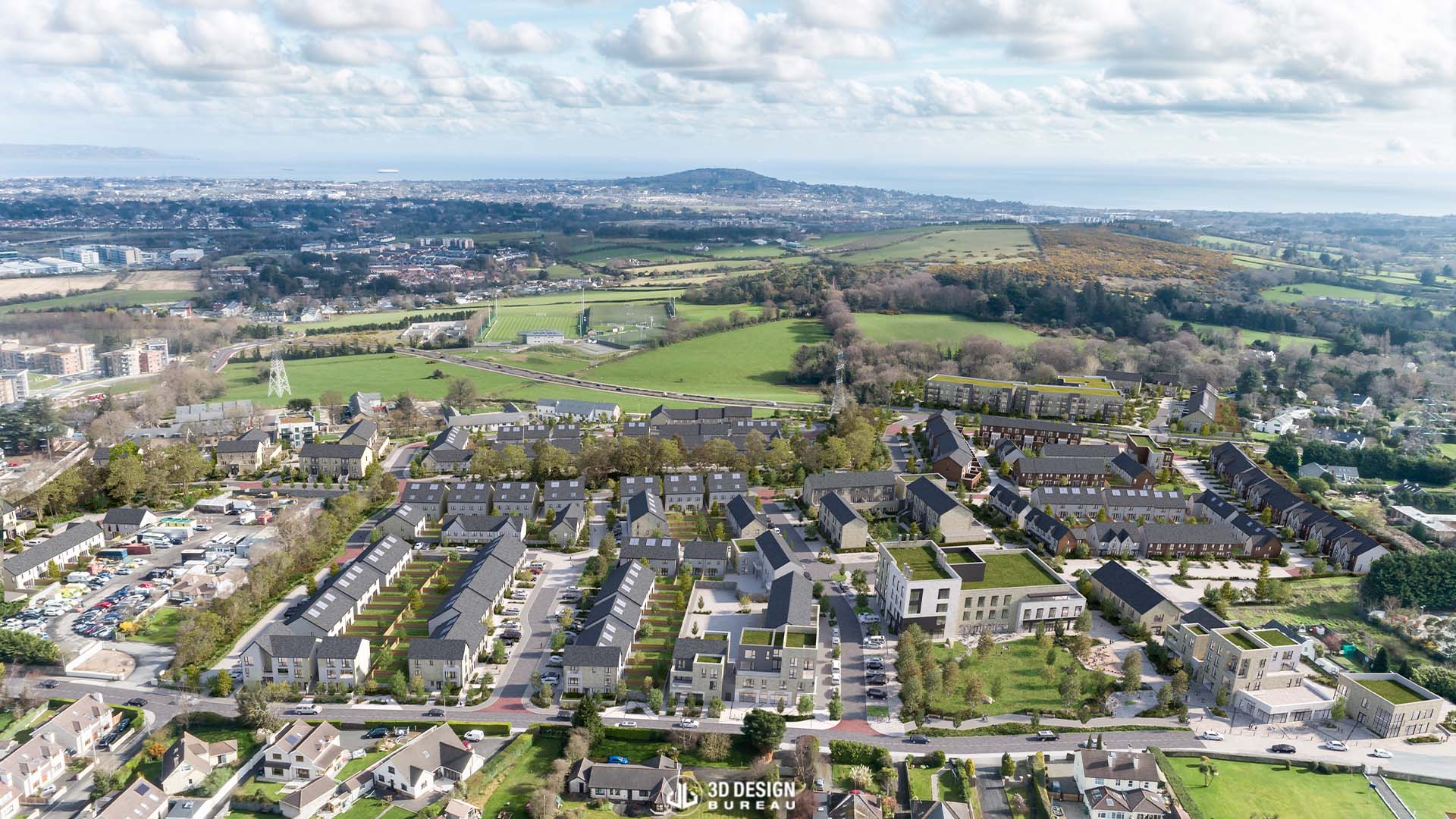
We have also worked in the Kilternan / Kiltiernan-Glenamuck area, including Kilternan Village in Dublin 18, where we supported the project through multiple planning stages with architectural CGIs, presentation photomontages, aerial and verified view montages, and a detailed daylight and sunlight assessment.
What these projects make clear is that local planning frameworks are not just policy documents in the background. They continue to inform how schemes are developed, refined and communicated.
If you would like support or advice on a current or future project, please get in touch. You can visit our contact page to learn more about how we can help. We would be delighted to discuss your project with you.
Author:
Lucas Imbimbo
Digital Marketing Specialist
at 3D Design Bureau
lucas@3ddesignbureau.com