Architectural visualisation can support a property development long before construction begins. At 3D Design Bureau, we have used it to help design teams test options, identify measures that can improve a scheme and address issues that might otherwise create challenges at planning stage.
Being able to contribute to the design process and potentially influence how a development takes shape is one of the most rewarding parts of what we do. Marketing offers a different kind of reward: seeing those same digital tools go out into the “wild”, becoming part of sales campaigns, websites, brochures, property listings and interactive experiences.
From architectural CGIs and aerial views to animation, 3D floor plans and off-plan virtual tours, there are many ways to help prospective buyers understand and envision a property before it is built.
In this article, we look at a few real-life examples of how our clients have used 3D architectural visualisation in their property marketing campaigns and strategies, hopefully giving you a few ideas for your own project.
Offline Property Marketing
As one of the most traditional forms of advertising, offline property marketing still has an important role to play, particularly when it comes to visibility and reach. You might see our 3D visuals used in television advertising or property programmes, but they can be particularly effective across channels such as print advertising, events, billboards, train and bus advertising, station signage and posters.
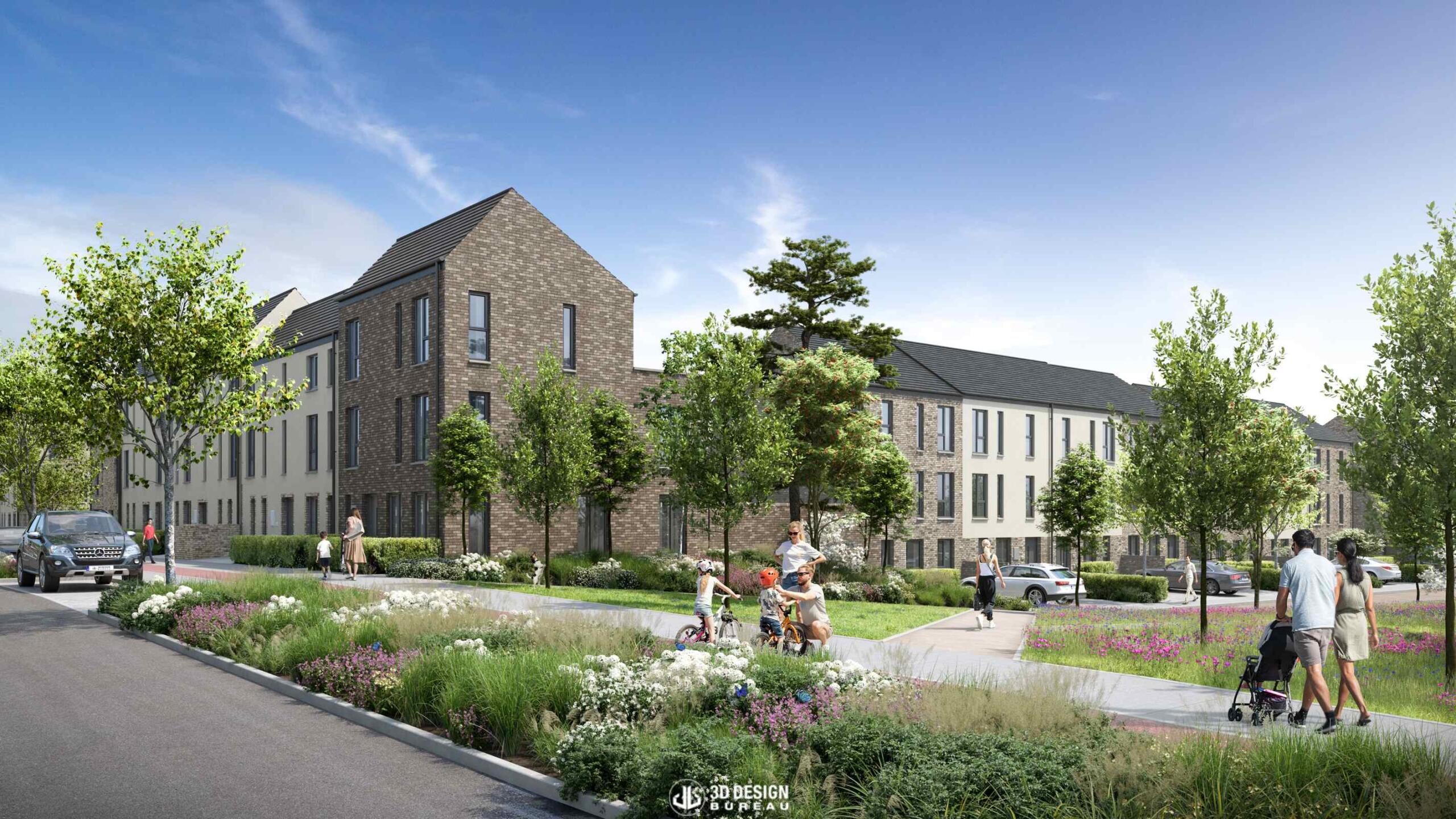
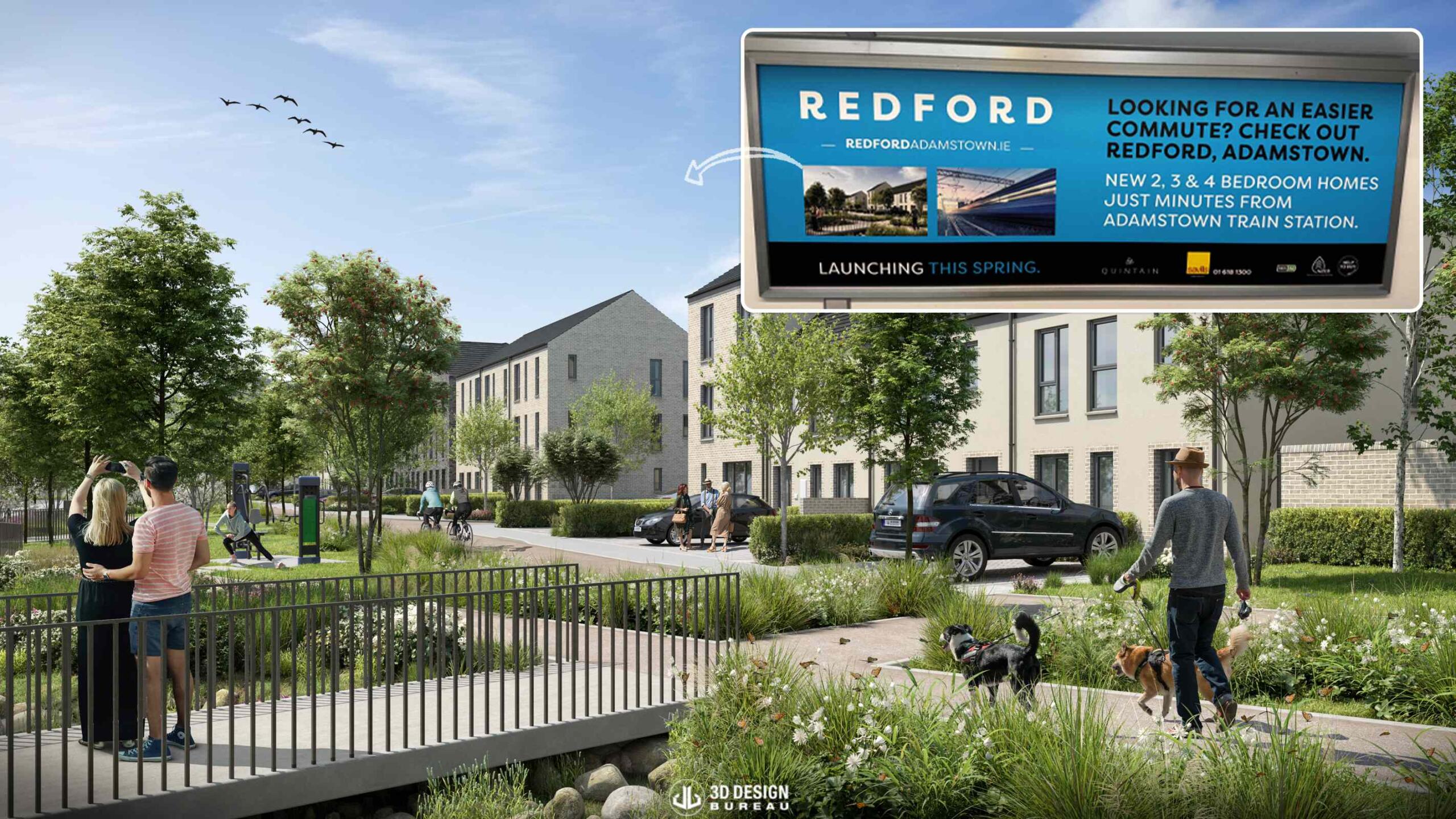
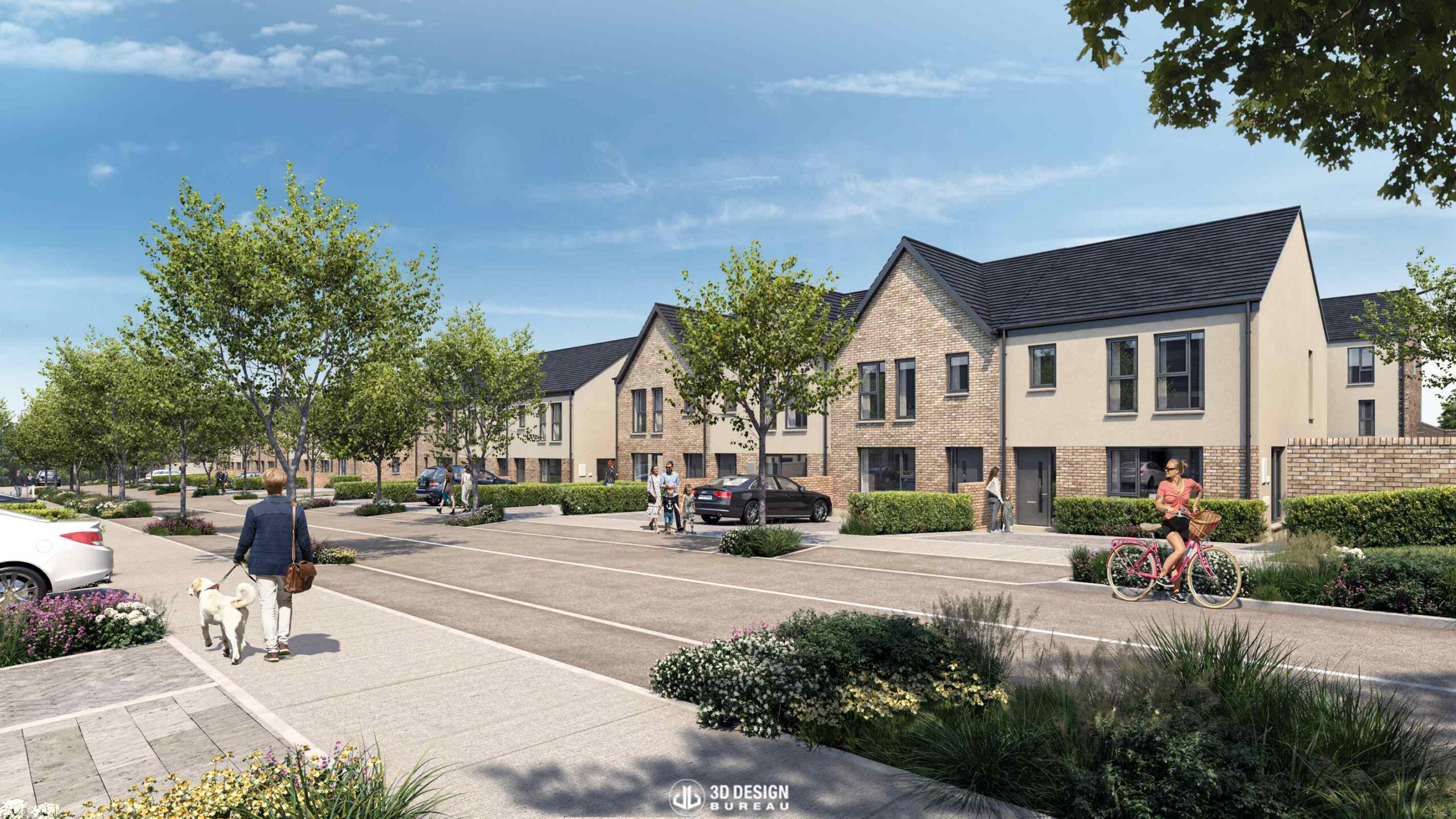
Take Redford in Adamstown, for example. One of our own team members spotted an advertisement for the development during their commute. The Evara scheme offers a mix of two-, three- and four-bedroom houses, located within walking distance of The Crossings urban village centre and Adamstown Train Station.
The architectural CGIs produced for the development have also been used across advertising totems at the train station, placing the scheme directly in front of commuters and local residents. It is a strong example of how property marketing can build awareness by becoming part of people’s everyday journeys, reaching potential buyers in the places they already live, travel and spend time.
Construction Site Property Marketing
This is a natural extension of offline property marketing. After all, there are few better places to promote a future development than at the location where it is actually taking shape.
Rather than using site hoarding simply to separate construction works from the surrounding area, many of our clients turn that space into an early marketing opportunity. Architectural CGIs can show passers-by what is coming, build awareness around the development and, depending on the stage of the campaign, even begin generating leads that could eventually convert into off-plan sales.
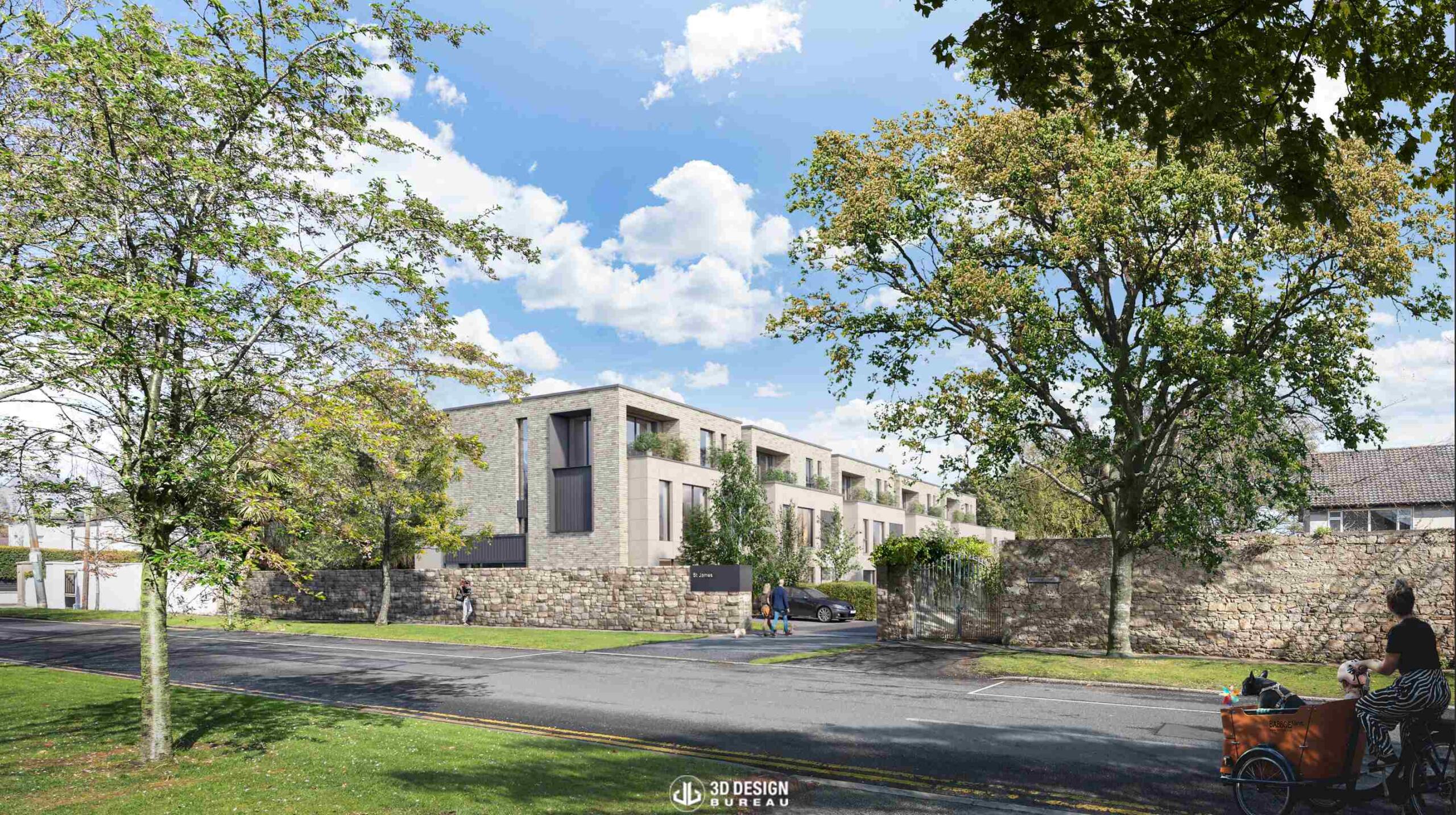
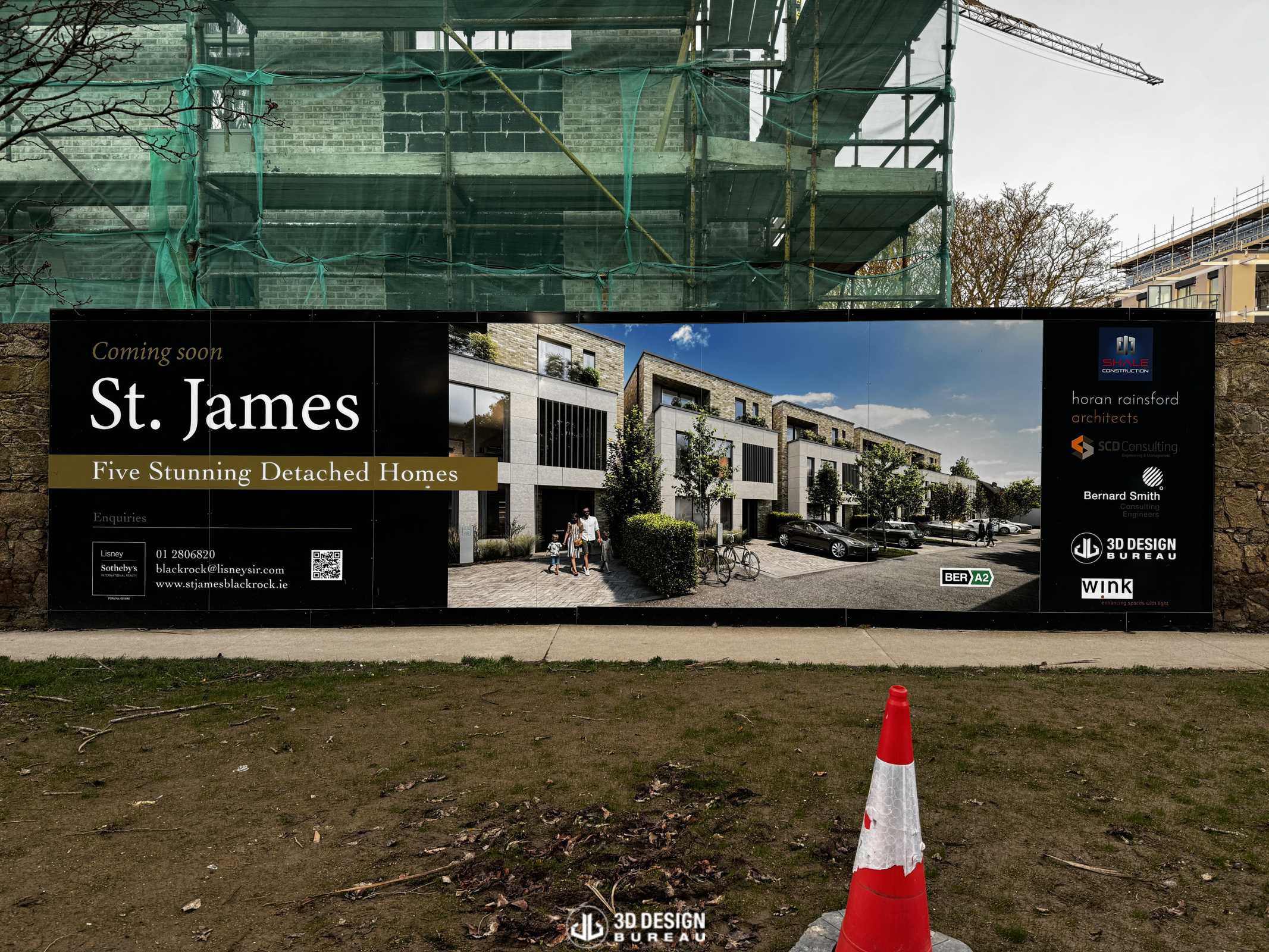
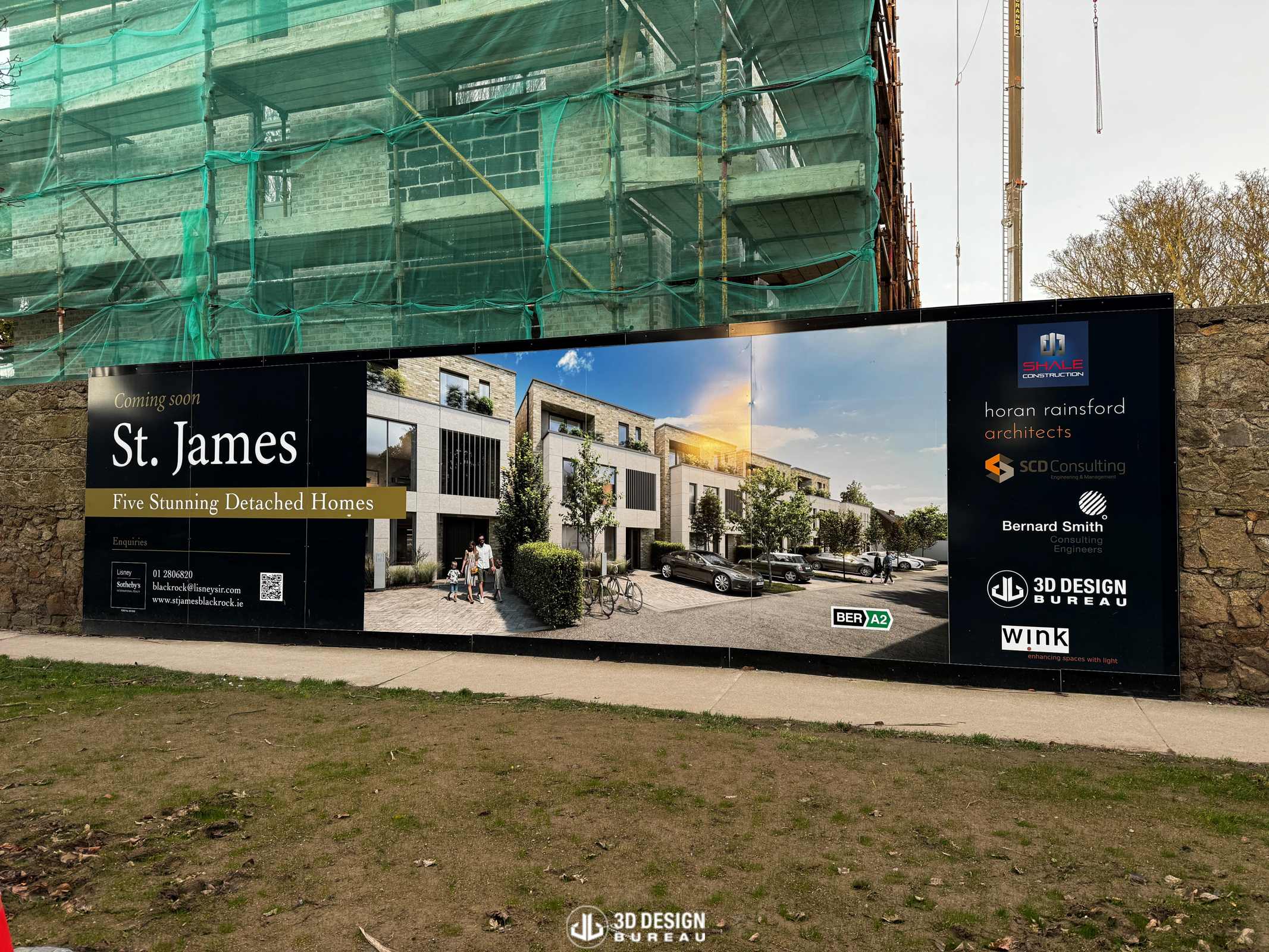
St James Place is a good example. Our client used the hoarding in front of the construction site not only to showcase what the completed development would look like, but also to identify the development team and estate agents, communicate the expected BER energy rating and include a QR code directing potential buyers to the scheme’s marketing page.
Integrated marketing: That last element (QR Code) is particularly important. Both construction site advertising and wider offline campaigns can be much more effective when they form part of an integrated marketing strategy. A billboard, poster or site hoarding may first catch someone’s attention, while a QR code can immediately take them into an online experience where they can explore the development in greater detail.
That brings us to the next part of the property marketing journey: online marketing.
Online Property Marketing
For developments that are still unbuilt or under construction, the digital space opens up opportunities that go well beyond simply advertising that a property is available.
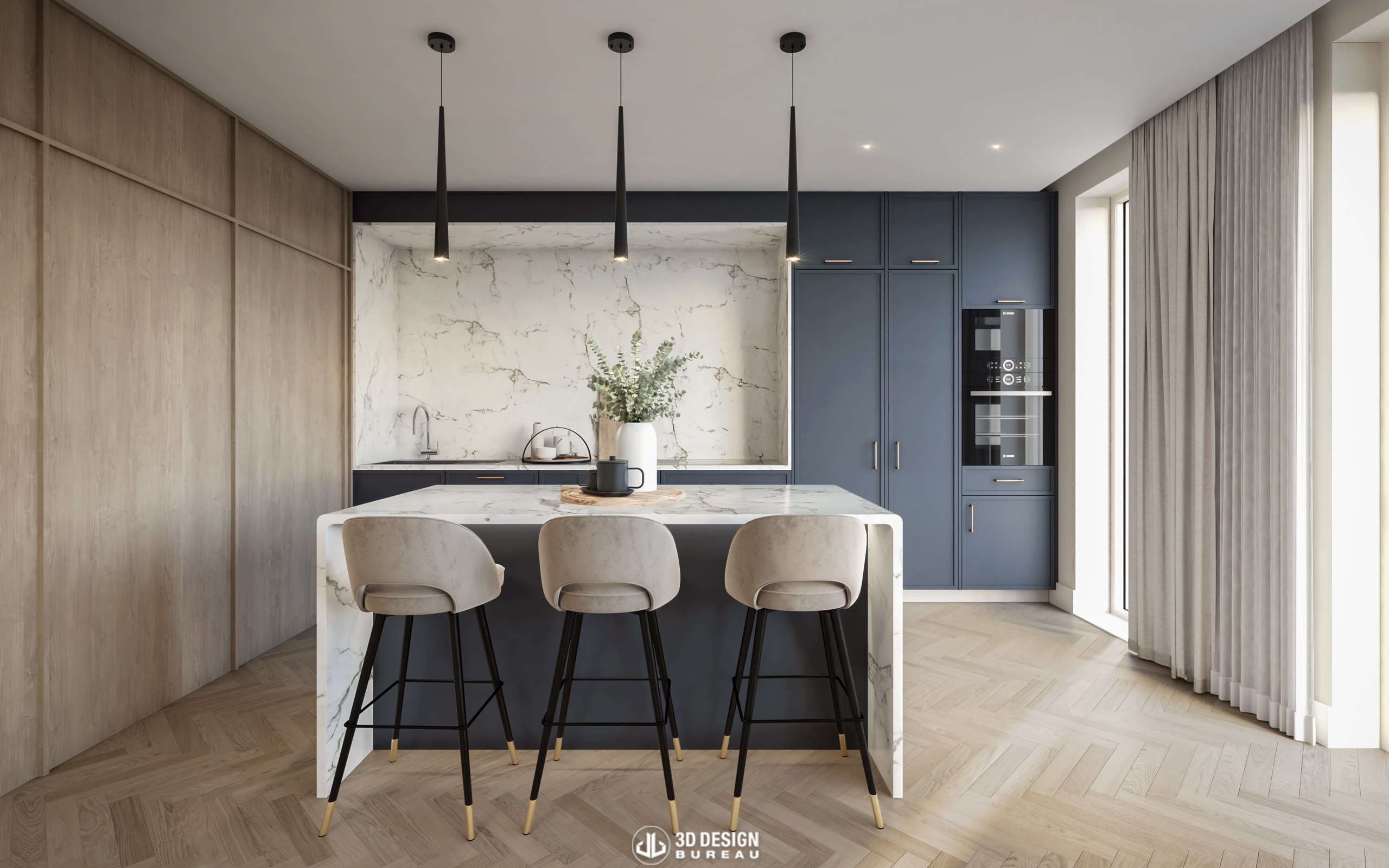
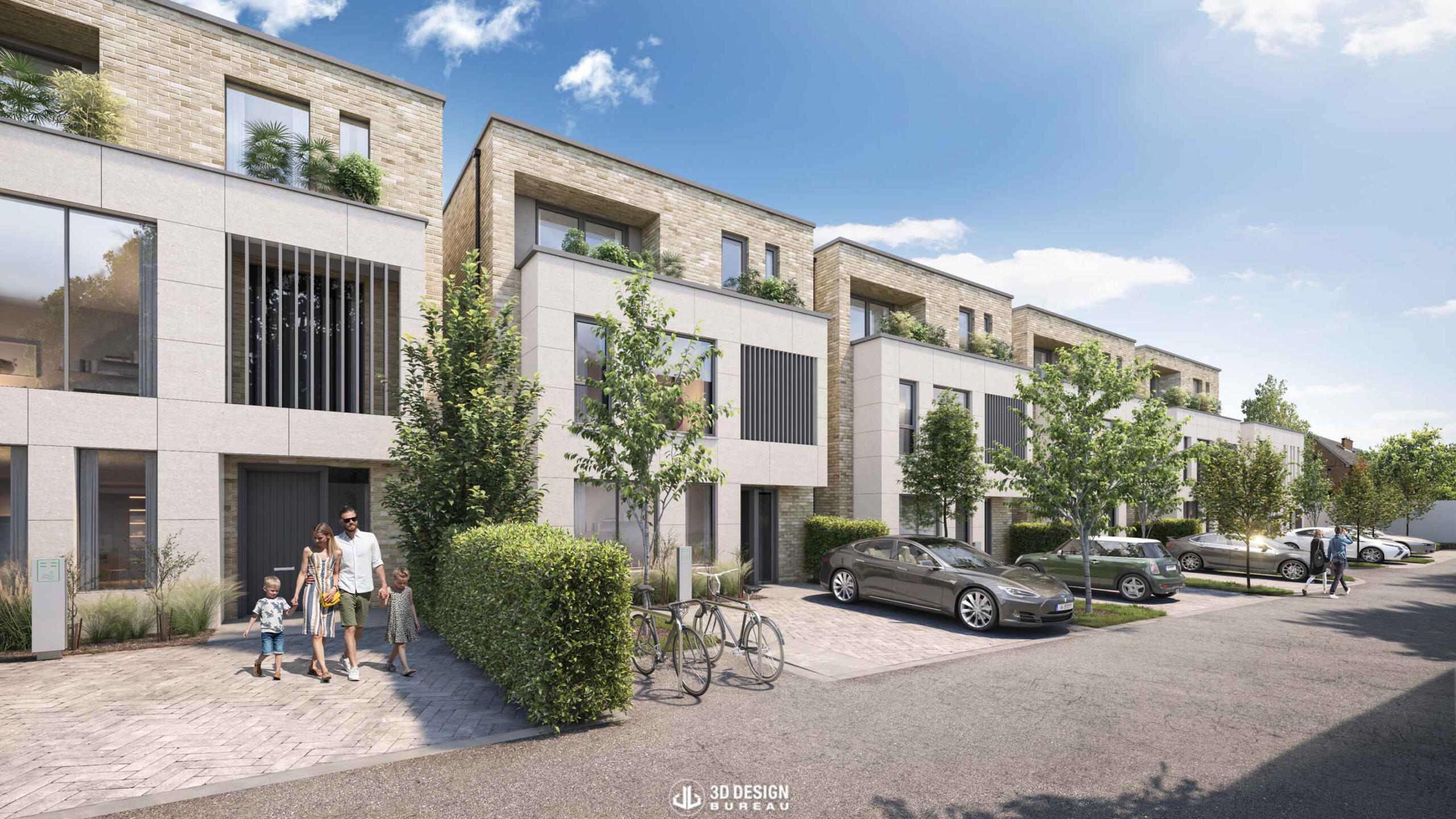
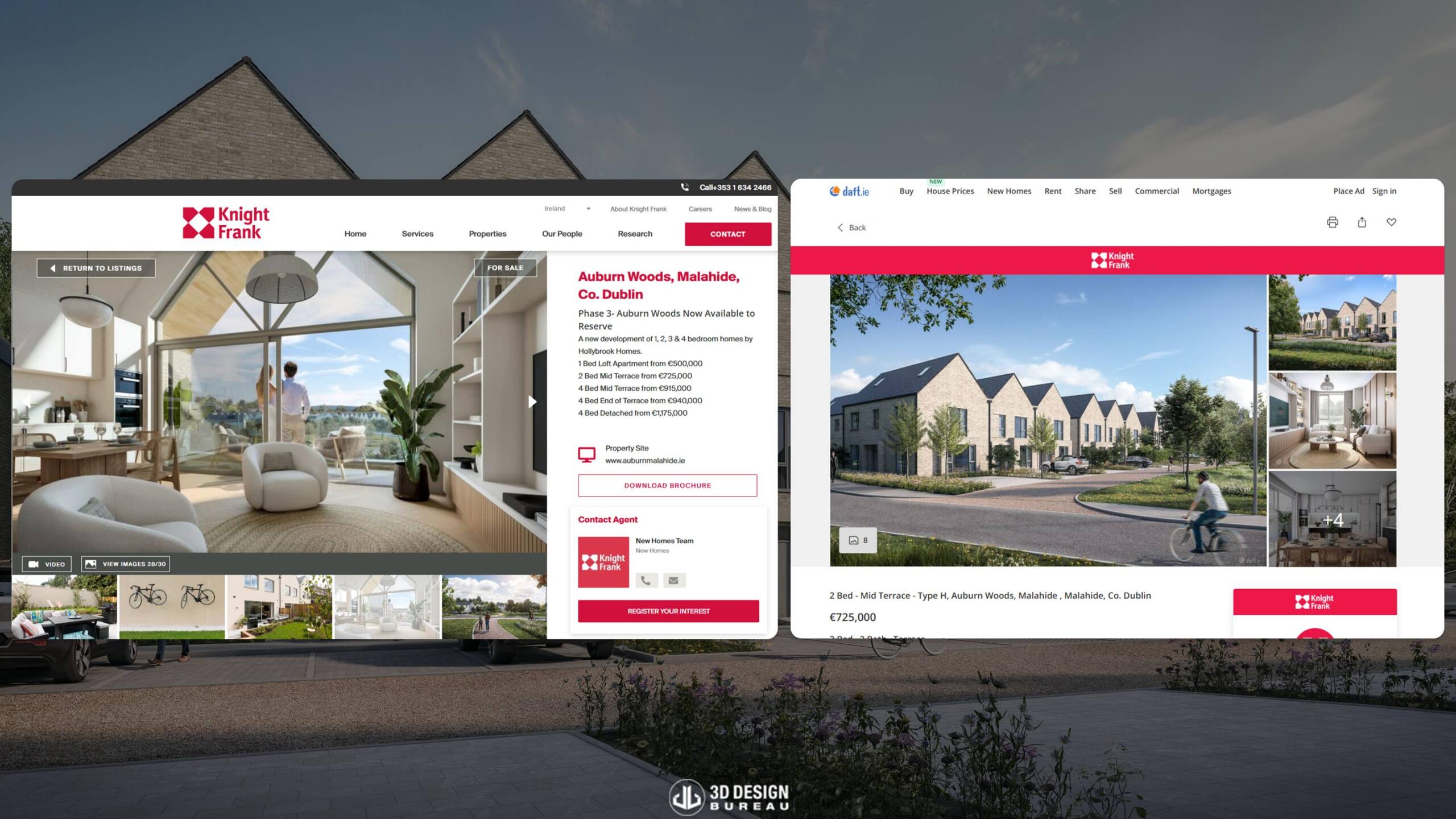
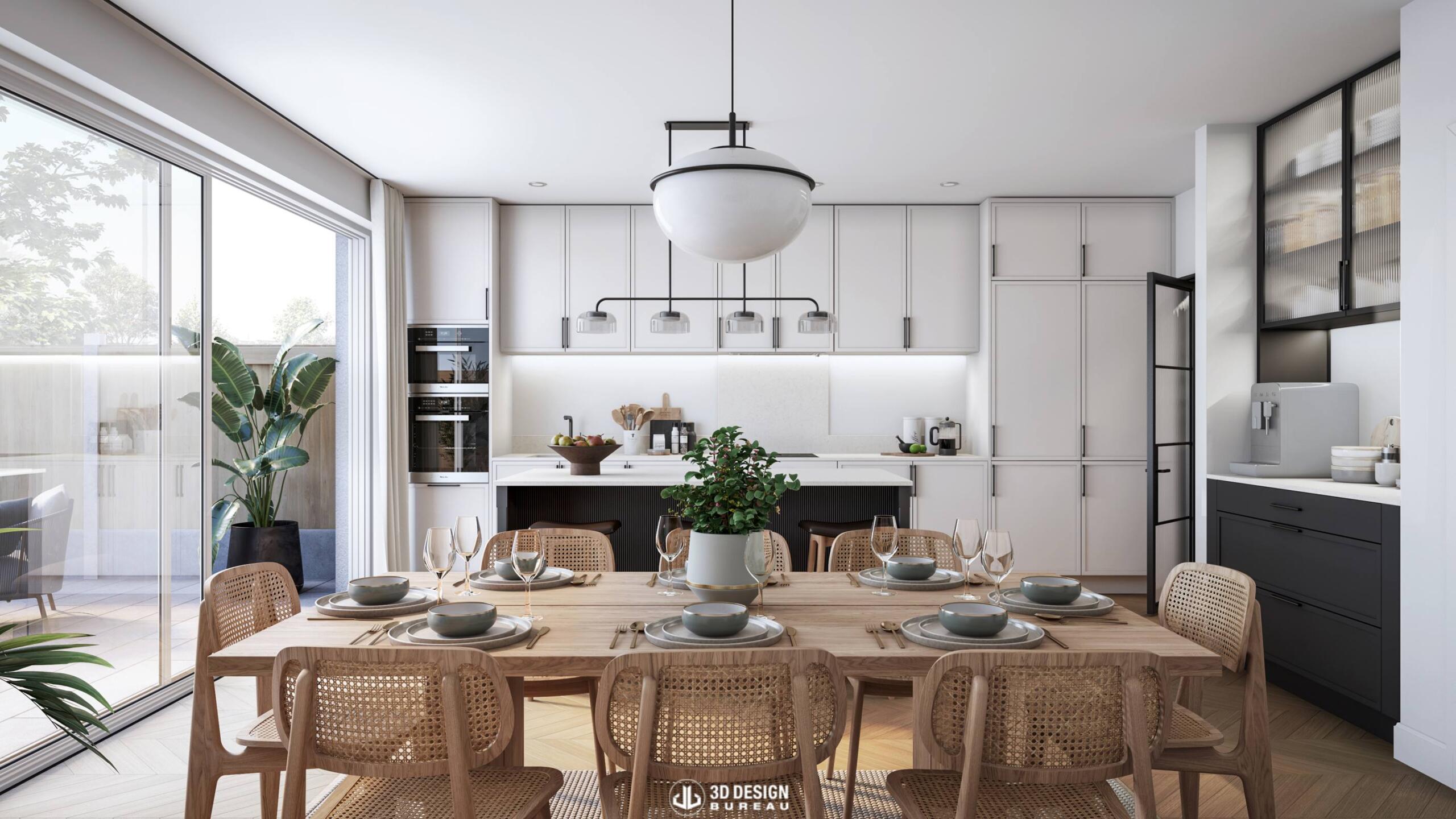
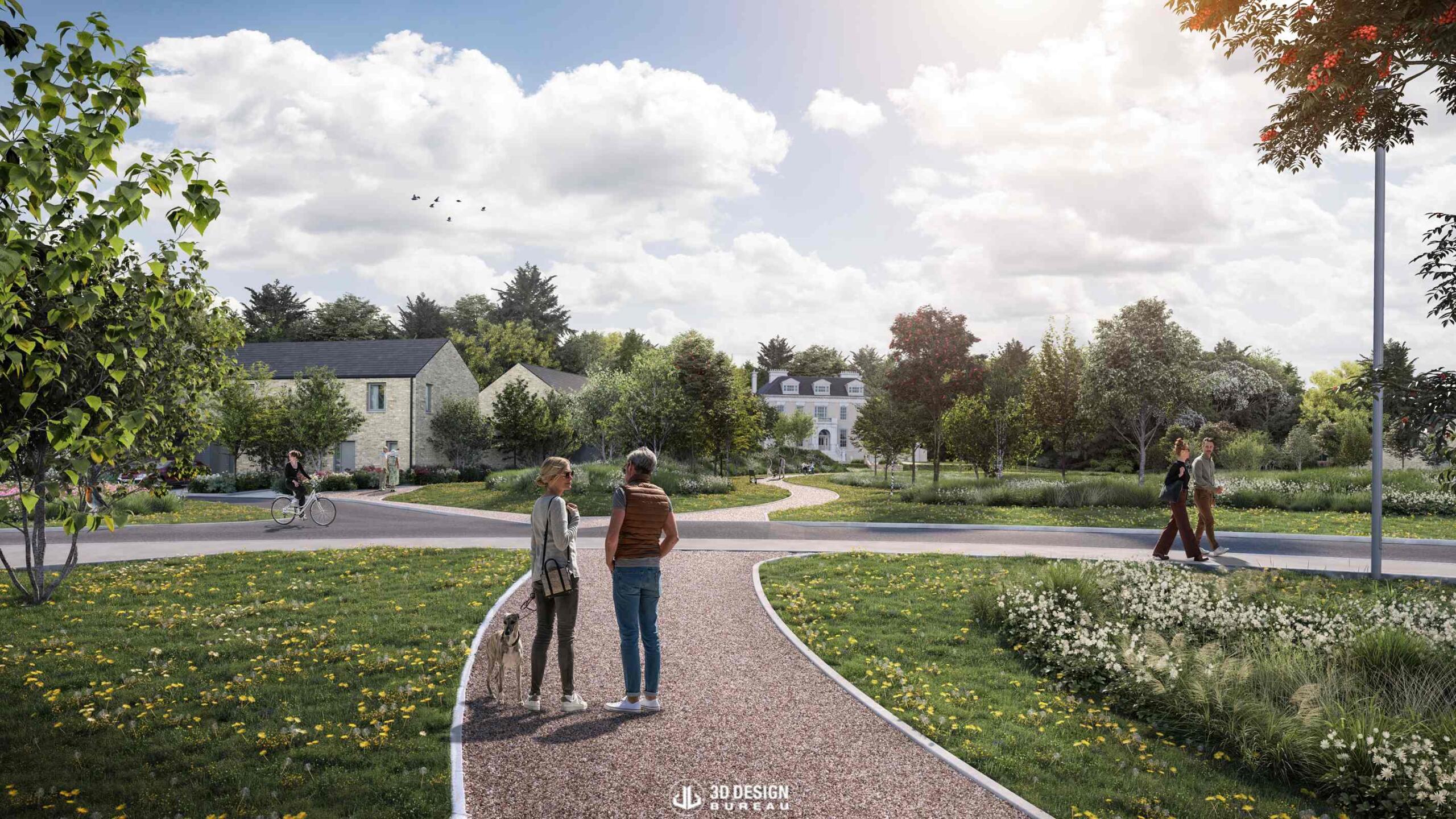
Property portals and online listing platforms remain an obvious starting point. While a scheme is still underway, exterior and interior architectural CGIs can take the place of completed photography, giving prospective buyers a clear idea of the architecture, interiors and overall character of the development before they can visit it in person.
Brochures: One of the more traditional marketing formats works just as well online as it does offline. Alongside architectural visuals, a brochure gives developers room to communicate the wider story of a scheme through floor plans, maps, infographics, specifications and lifestyle imagery. The design itself can also help position the development: a more refined visual language, for example, can reinforce the character of a luxury residential scheme.
Social media: In addition to still images, video can be particularly effective in that environment. Architectural animation lends itself naturally to this format, allowing different areas, viewpoints and features of a scheme to be brought together into short, engaging content for social channels. That matters in an increasingly video-led environment: HubSpot’s 2026 research found that 60% of marketers use short-form video, with 48.6% saying it provides the highest ROI of any content format.
Off-plan virtual tours: Perhaps one of the most interesting tools. Built from architectural drawings, specifications and material references, it creates a fully navigable digital version of a home before construction is complete. Prospective buyers can move through the property, understand the layout and inspect finishes in much more detail than a static image allows.
In effect, it becomes a virtual show home that can be available much earlier in the sales campaign, without waiting for a physical unit to be completed and staged. That can support earlier engagement with buyers and help create opportunities for off-plan sales.
And, as with the offline examples above, these tools become particularly powerful when they are used together.
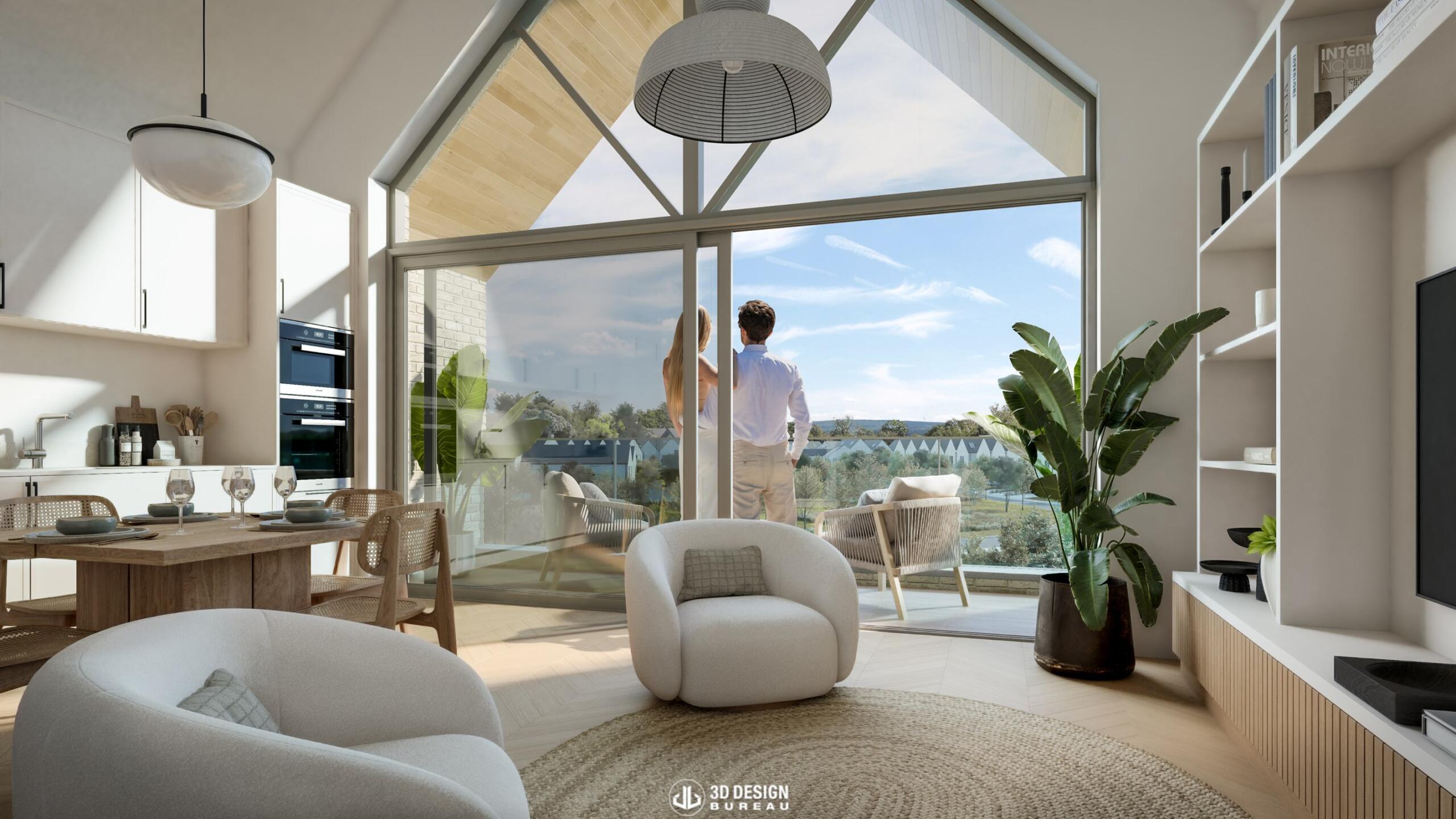
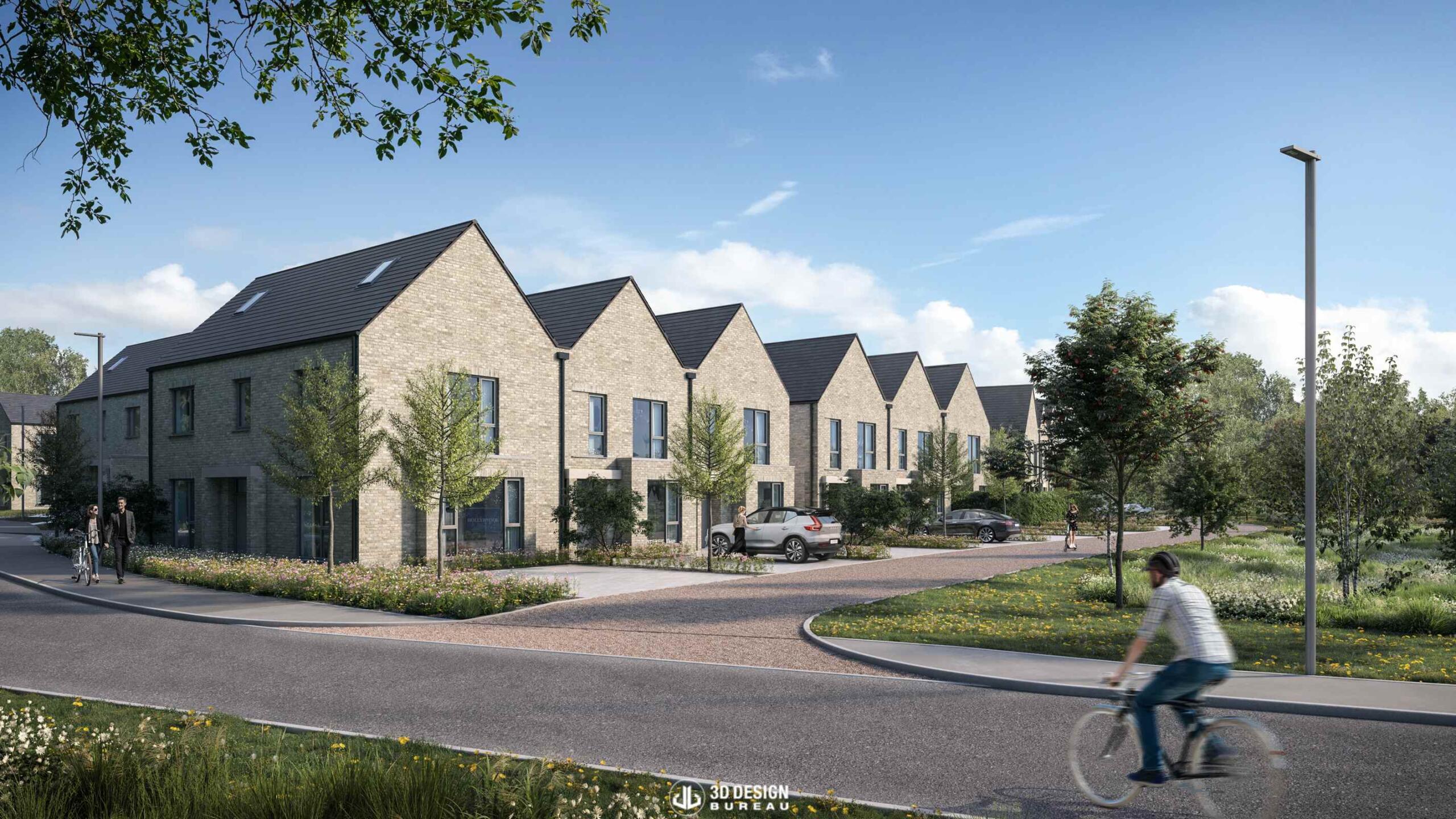
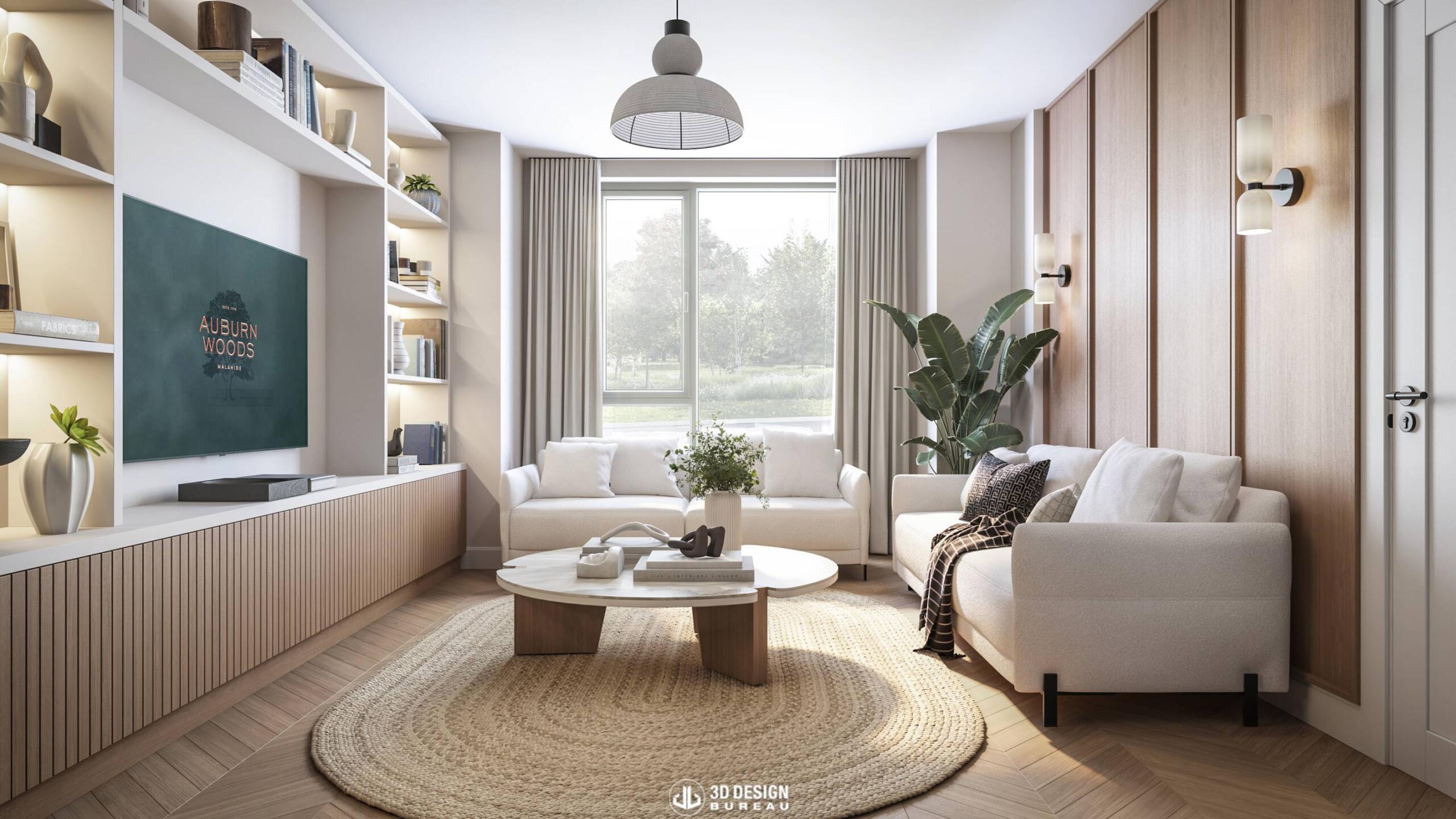
Auburn Woods by Hollybrook is a strong case study. The residential development beside Malahide Castle is currently being marketed using a combination of architectural CGIs, animation and an extensive off-plan virtual tour (one of the largest we have produced!). Those assets are not confined to one channel, they are used across the development website, online property listings, brochures and social media.
It is a good example of an integrated property marketing campaign in which the same visual language follows the prospective buyer across multiple touchpoints, while each format gives them a different way to discover, understand and explore the development.
Seeing our visuals used across real property marketing campaigns is one of the most rewarding parts of what we do. Every development and marketing strategy is different, which is why we are always happy to help clients explore how our 3D solutions could best support their own campaign, from choosing the right formats to finding new ways to use them across different channels.
If you need high-quality 3D visuals to market an unbuilt property development, 3D Design Bureau has you covered. Get in touch to explore how we can support your next property marketing campaign.
Author:
Lucas Imbimbo Digital Marketing Specialist at 3D Design Bureau lucas@3ddesignbureau.com
Glenveagh secures permission for 775-home development in Balbriggan
Glenveagh Homes has secured planning permission for a major 775-home Large-Scale Residential Development at Flemington South in Balbriggan, Co. Dublin. Fingal County Council initially issued its decision to grant permission in May 2026, with a subsequent appeal later withdrawn, allowing the development to move forward subject to conditions.
Ireland expands planning exemptions for residential development
Ireland’s exempted development rules have been expanded under new Planning and Development Regulations introduced in July 2026, widening the scope of residential works that can proceed without formal planning approval.
First phase completed at major 725-home scheme in Ashtown
Construction is now complete on Phase 1 of a major mixed-use residential development on Rathborne Avenue in Dublin. The project secured planning permission from An Coimisiun Pleanala back in 2020 following amendments to an earlier approved scheme. Known as Rathborne Wharf, Phase 1 will deliver 370 homes, while construction is also progressing on Phase 2.
We use cookies to ensure that we give you the best experience on our website. If you continue to use this site we will assume that you are happy with it.