3D Design Bureau

Plans lodged for 37-bedroom boutique hotel at former Ulster Bank on Baggot Street Lower July, 2026

Plans have been submitted to Dublin City Council to transform the vacant former Ulster Bank at 130 Baggot Street Lower into a 2,632.66 sq m hospitality development. The proposal centres on the conservation and reuse of the protected structure, alongside the redevelopment of adjoining properties at 33 to 37 Pembroke Street Lower, to provide a 37-bedroom hotel with restaurants, bars and guest amenities.

Presentation photomontage of the proposed boutique hotel at the former Ulster Bank on Baggot Street Lower, Dublin
Voting now open for 3DDB’s Best Project of Q2 July, 2026

Following the success of our first Best of the Quarter initiative, voting is now open for the Q2 Awards.

3DDB Best Project of Q2 2026 shortlist announcement
Permission granted for 159-home Bray scheme, completing Phase 1 of Sea Gardens July, 2026

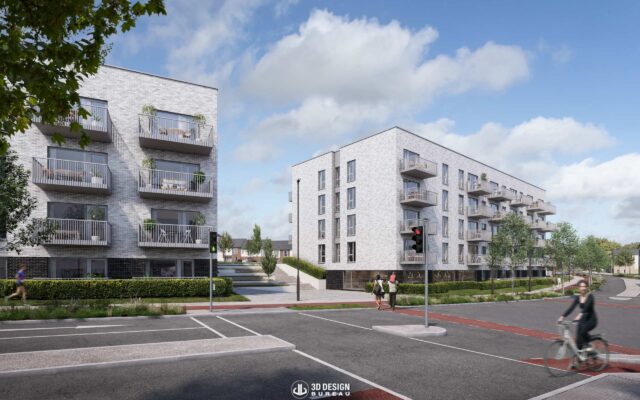
Following a third-party appeal, An Coimisiún Pleanála has upheld planning permission for a new residential development on former Bray Golf Club lands, off Dublin Road and Ravenswell Road, Bray, Co. Dublin. The approved scheme will deliver 159 homes as part of the wider Sea Gardens development, comprising 150 apartments and 9 townhouses.

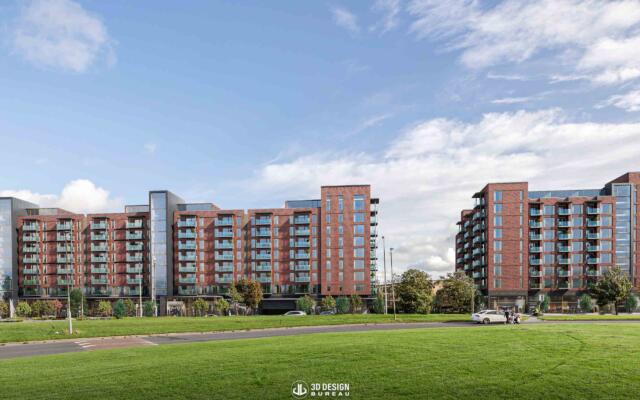
Verified View Montage of Sea Gardens Phase 1 Block A residential development in Bray, Co. Dublin
Seven Mills: Work continues on the new 660-unit phase, Wicker Walk July, 2026

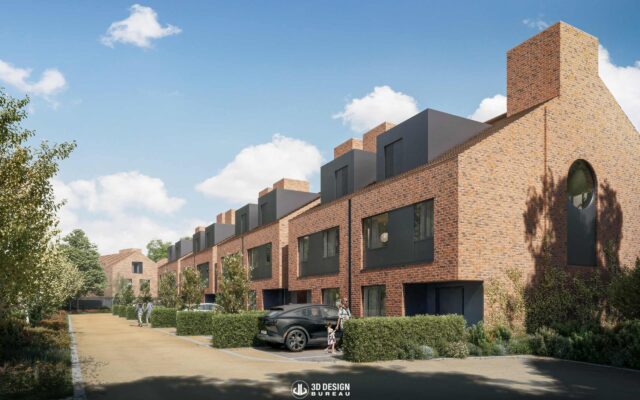
Work continues on Wicker Walk, a new phase of the wider Seven Mills, Dublin’s newest town. This phase provides for a major mixed-use scheme comprising 660 homes, including houses, duplexes and apartments, together with a crèche, community floorspace and extensive public open space.

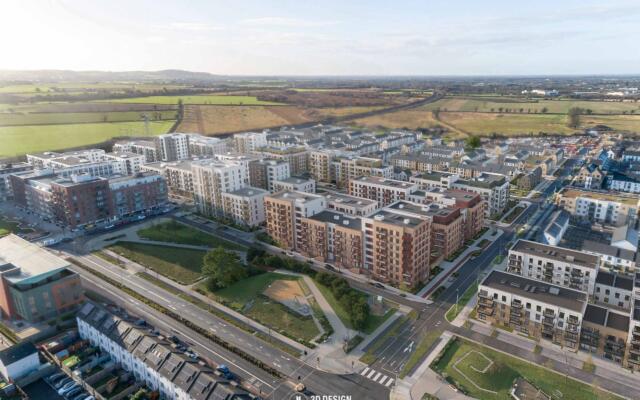
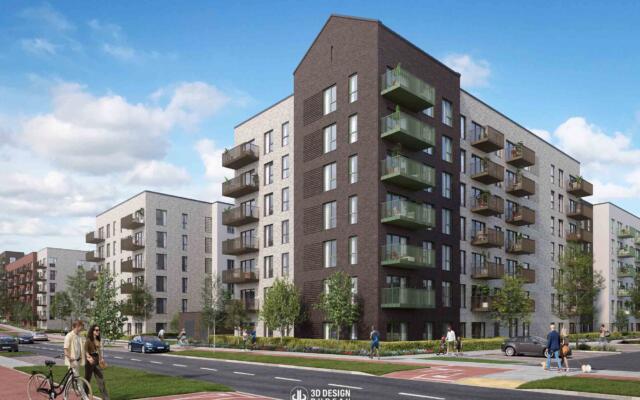
Architectural CGI of Wicker Walk residential development at Seven Mills, Dublin
Permission upheld for 57-home development at Scholarstown House June, 2026

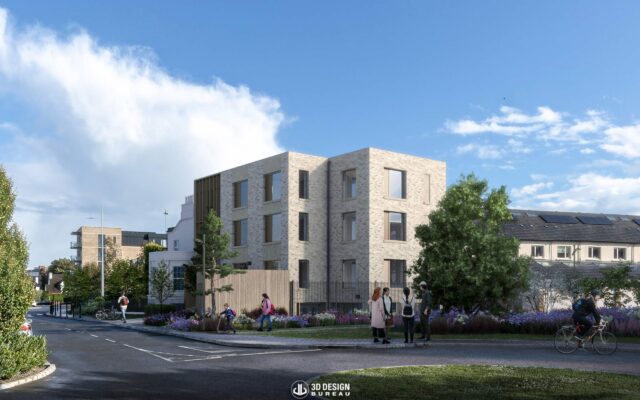
Following an appeal, An Coimisiún Pleanála has upheld planning permission for a new residential development at Scholarstown House, Scholarstown Road, Dublin 16. The approved scheme will deliver 57 homes in total, comprising apartments and two houses.

Architectural CGI of Scholarstown House residential development in Dublin
Planning Permission granted for 87 new homes at Broomhall, Rathnew June, 2026

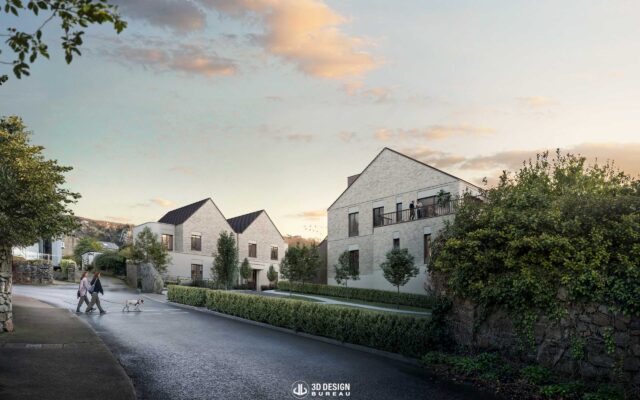
Wicklow County Council has granted planning permission with conditions for a new residential development at Broomhall, Rathnew, Co. Wicklow. The approved scheme will provide 87 homes in a mix of houses and duplexes/maisonettes, together with a crèche, sports pitch and supporting site infrastructure.

Architectural CGI of Broomhall residential development in Rathnew, Co. Wicklow
Architectural CGI for Hotels: From Planning Submission to Marketing Launch February, 2026

Hotel projects need to be understood, discussed and promoted long before they are built. In that sense, they are not so different to other types of development. What tends to vary is what people need to see early on. For planning and stakeholder engagement, for example, the priority is accuracy and context, clear representation of massing, materials and how the proposal sits within its surrounding environment.

Interior computer generated imagery of the leisure centre
Three AEC Trends to Watch in 2026 January, 2026

Following last year’s article on the key trends shaping the AEC industry, we are back to share what we believe will define 2026. These trends are not entirely new. Many were already building momentum in 2025. The difference this year is that they are becoming more connected, with better data, clearer processes, and higher expectations around certainty, speed, and quality.

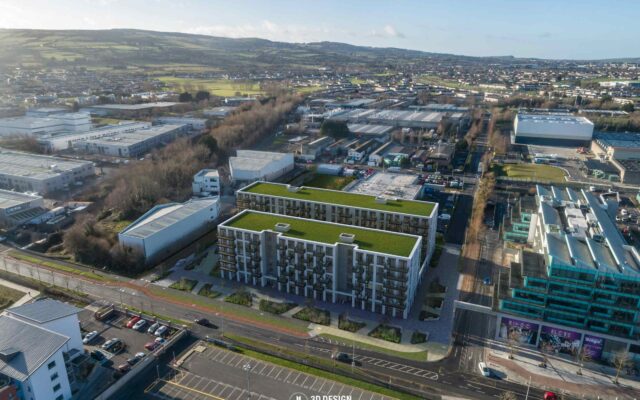
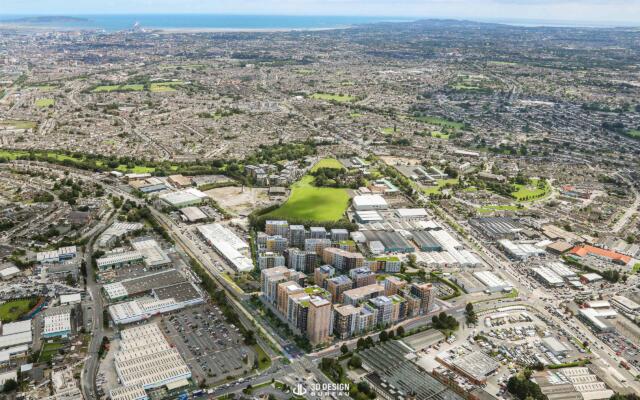
Aerial computer generated imagery of the residential scheme in Clonburris
Irish Construction Industry: What to expect in 2026 and 2027? December, 2025

As 2025 draws to a close, the CIS Construction Industry Forecast 2025–2027 provides a look at what the next phase of growth could mean for the Republic of Ireland and Northern Ireland.

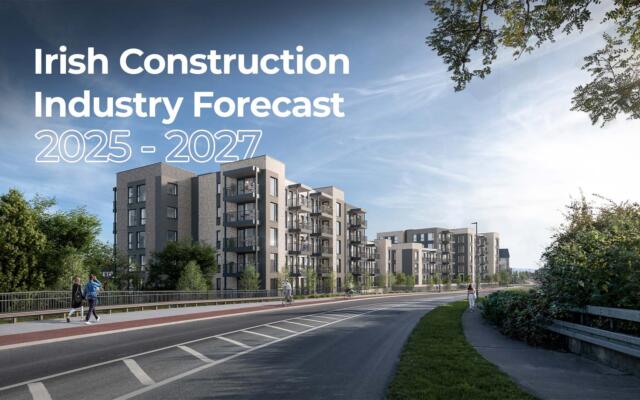
Cover for Irish construction industry forecast 2025-2027
From Model to Construction: The Work Behind Architectural Visualisation November, 2025

Long before construction begins on-site, a great amount of work goes into preparing a project. Among the key elements of this preparation are architectural visualisations, which play an essential role during the planning stages and later help property developers and estate agents market units off-plan as construction progresses.

Presentation photomontage of the development on Malahide road, Dublin
Why Architectural Visualisation Matters in Apartment Planning Applications October, 2025

With housing demand rising and urban density increasing, apartment developments have become central to urban planning strategies. In Ireland, this topic has been at the heart of ongoing debates, particularly following the announcement of new apartment design standards by the Minister for Housing, Local Government and Heritage, alongside the Minister of State for Planning.

Architectural computer generated imagery of the Clonburris T6 development in Dublin
Zone of Theoretical Visibility: Reducing Risk and Cost in Property Development September, 2025

Before a project even breaks ground, developers face a series of important steps that shape its viability. Beyond the challenges of the planning process, much of this work begins during the feasibility stage, where early decisions can save developers both time and money. One of the most effective tools at this stage is the Zone of Theoretical Visibility (ZTV).

Zone of Theoretical Visibility study heatmap
Architectural Visualisation: Answering the Web’s Most Asked Questions | 3D Design Podcast Ep.1

Welcome to Ep. 1 of the 3D Design Podcast. We have scoured the internet’s biggest forums, search engine queries, and keywords to find the web’s most asked questions about architectural […]

No posts found!